Details of the Incident
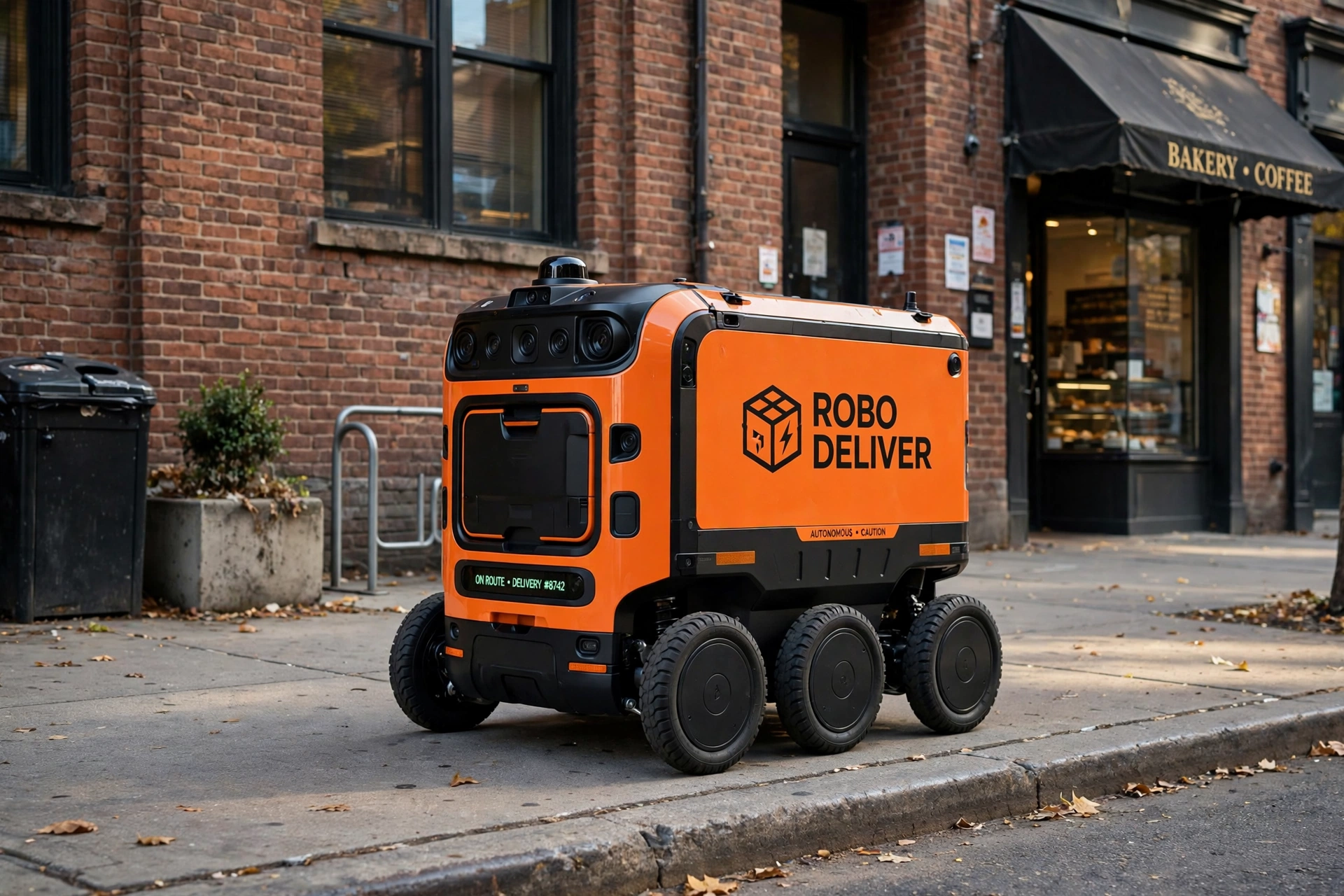
On Wednesday, October 14, 2026, an unusual incident occurred in Center City, Philadelphia. Carolyn Marvin, 78 — a professor emeritus at the University of Pennsylvania — stepped into the path of an autonomous delivery robot operated by Uber Eats and blocked its way. The woman refused to move despite repeated orders from police officers who arrived at the scene, and was arrested. The Verge reported the story first.
Marvin positioned herself directly in the robot's line of travel — physically blocking the machine's path and bringing it to a halt. Despite several warnings from officers, she did not move. The incident took place around midday in the city's central district.
The call to police was itself unusual: it used the phrase "a crime involving a robot." Such calls remain rare in the practice of the Philadelphia police — autonomous delivery robots are a relatively new phenomenon on the city's streets.
According to the Philadelphia police, a report of "criminal mischief involving a robot" came in around 1:16 p.m. from the 1200 block of Filbert Street. Officers on the scene ordered Marvin several times to step off the roadway, but the woman ignored the orders.
"Officers ordered Marvin off the roadway several times, but she failed to comply with the orders," the Philadelphia police said in a statement.
As a result, the woman was issued a criminal violation notice for disorderly conduct. Such a notice obliges the accused to appear in court — but this time the incident ended in physical custody, because the woman refused to obey the officers' direct orders.
Who Marvin Is and Why She Is Protesting
As it turned out, this is not the first time Marvin has blocked robots. By her own account, she has been protesting this way for months. Her protest is aimed not at the autonomous delivery technology itself, but at the corporations deploying it: in Marvin's view, companies are replacing human labor with machines in pursuit of higher profits. Her action is not a random, one-off gesture — she has been systematically blocking robots for months.
The 78-year-old Marvin taught at the University of Pennsylvania for many years — the "professor emeritus" title is an honorary status awarded to professors upon retirement.
"I've been blocking delivery robots for months. These corporations are laying off human couriers to boost their own profits," Marvin told PhillyVoice.
The woman plans to challenge the charge on the basis of the First Amendment's free-speech guarantee. In her position, blocking a robot's path is a form of peaceful protest protected by the Constitution. Marvin said she will continue blocking robots in the future — which suggests the case will proceed to trial. Her defense strategy rests on framing her actions not as a crime, but as a constitutionally protected peaceful protest.
Robots on Philadelphia's Streets
Autonomous delivery robots have been operating in Philadelphia since March 2026 — after Uber partnered with an autonomous delivery company. Over the past seven months, the robots have been delivering food across the city, and hostile reactions toward them have also been observed during this period: earlier, a passerby kicked over a delivery robot. That was one of the recorded cases of physical aggression against robots.
Between March and October, the robots became an ordinary part of city life — spotting them on the streets is no longer news. It is precisely against this backdrop of normalization that Marvin's protest intensified: she sees the robots not as a mere annoying novelty, but as a threat to the labor market.
Marvin's arrest marks the sharpest form of protest recorded so far. While earlier incidents were largely limited to physical damage to robots, this time a citizen deliberately obstructed a robot's movement and disobeyed a police order — and was held criminally liable. The incident shows that social tensions around autonomous delivery technologies are growing.
Uber's Position
Uber declined to comment on Marvin's arrest. The company provided no additional information about the robots' operations in Philadelphia, about protest incidents, or about future plans, and did not release an official position on the incident. The company's silence is standard practice in such sensitive social matters — Uber has previously declined to comment in detail on attacks against its robots.