What happened
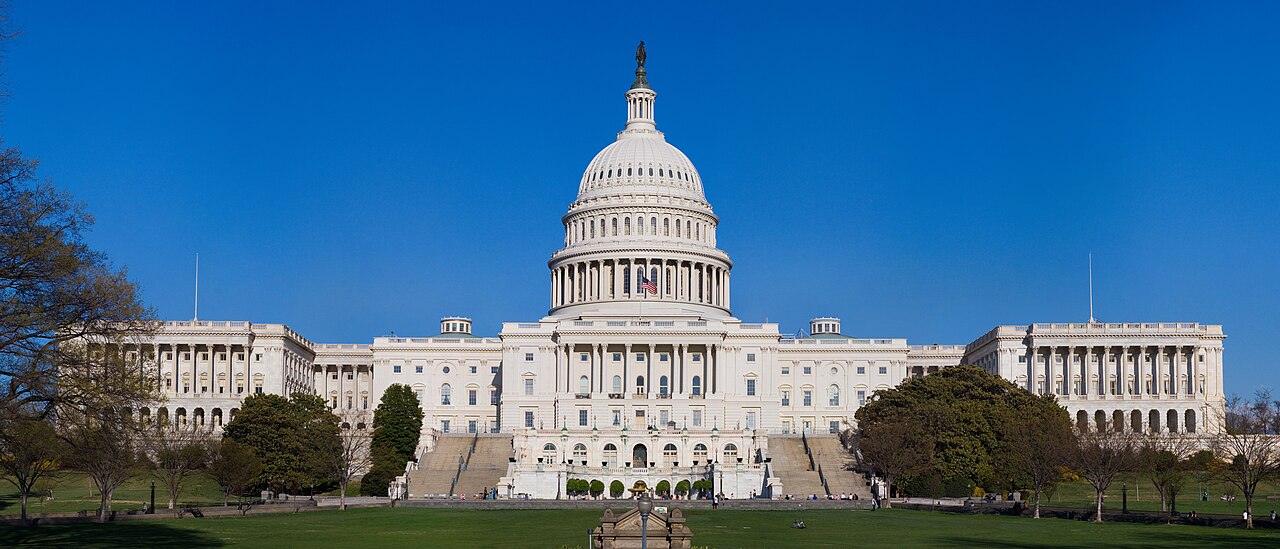
Representatives of Anthropic, the developer of frontier artificial intelligence (AI) models, have pitched US lawmakers in Congress a draft bill of their own to regulate AI safety. Politico reported on October 16, citing three sources familiar with the effort; Reuters independently confirmed the information. Bloomberg also covered the story, citing Politico's reporting. The proposal outlines mechanisms that would let the government halt or prevent the dangerous spread of the most powerful AI models. For now, this is only a proposal presented to lawmakers — the bill has not been debated or passed by Congress. The move shows that AI companies are directly entering the process of shaping federal regulation themselves.
When the government can halt a model
The draft bill restricts the government's right to intervene to a very narrow set of cases. Halting a model's release or use is possible only in two kinds of situations: when a foreseeable and imminent risk could cause more than $1 billion in material damage, or lead to the death or serious injury of more than 50 people. This threshold is one of the bill's defining features — the government can act only when a very large-scale, clearly imminent threat exists.
Moreover, a qualifying risk must come from only three specific sources: the creation or release of a biological weapon, a model escaping its developer's control, or a cyberattack. If none of these three conditions is met, the bill does not give the government the authority to halt a model, even if there is a risk of serious harm. The bill's definition of "foreseeable, imminent risk" is limited to exactly these three directions — risks of other kinds, such as economic or social impacts, cannot serve as grounds for a halt.
How the independent evaluation system works
The bill introduces a separate evaluation system that will regularly review frontier models. Independent evaluators register with the US Department of Commerce and periodically assess the lab and its frontier models. In other words, model evaluation is organized not as a one-time check but as an ongoing process.
Labs may pay the evaluators, but the bill expressly prohibits tying payment to evaluation results. The rule is aimed at preserving evaluator independence: even if the evaluation result is negative, the evaluator still gets paid, and the lab cannot "buy" the result.
If evaluators identify an "imminent enumerated risk" in the company's frontier models, they must notify the Department of Commerce within 72 hours of the evaluation's completion. This 72-hour mandatory reporting requirement is designed to ensure a swift government response once a risk is identified — the evaluator cannot conceal the risk and must inform the state within the deadline.
Judicial oversight and prohibitions
Once the Department of Commerce determines that a risk exists, it can ask a judge to halt the model. At the same time, the bill's language expressly prohibits any other US government department, agency, or official from stopping the model's development, distribution, or internal use. This restriction is aimed at preventing broad federal intervention: no agency can halt a model on its own initiative.
Only a judge of the US District Court for the District of Columbia can make the final decision to halt a model. In other words, the entire process is subject to judicial review — the Department of Commerce submits the request, and a federal judge issues the decision. This mechanism places state intervention under judicial oversight.
Anthropic's comment
An Anthropic spokesperson told Reuters that the bill reflects proposals laid out in the company's "Advanced AI Framework" document published earlier this year. According to the spokesperson, the proposal would give the government "the ability to halt or prevent the dangerous spread of the most powerful models" and would require developers to test frontier models, be transparent about results, and undergo independent evaluation.
"The proposal gives the government the ability to halt or prevent the dangerous spread of the most powerful models, while requiring developers to test frontier models, be transparent about results, and undergo independent evaluation" — Anthropic spokesperson, Reuters
Current status
Politico's report was published on October 16, and Reuters' confirmation on October 17. Bloomberg also covered the story, citing Politico's reporting. The bill is Anthropic's first public step toward delivering its own proposal for federal AI safety regulation directly to lawmakers. Lawmakers' reaction to the proposal and the text's future are still unknown.