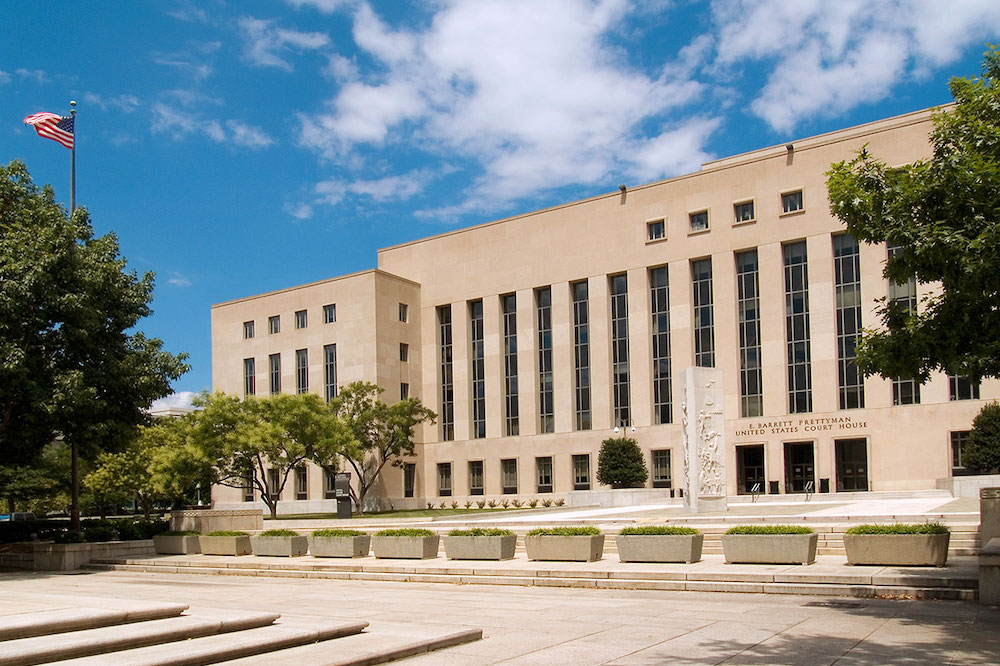

U.S. District Judge Debra Brown in Mississippi rejected the Trump administration's bid to dismiss the NAACP civil rights organization's lawsuit against Elon Musk's xAI. The lawsuit centers on xAI's artificial intelligence data center. The ruling also contains an important legal nuance about the limits of authority: the judge acknowledged that the U.S. Environmental Protection Agency (EPA) may intervene in the case, but stressed that the Clean Air Act gives it no authority to unilaterally terminate the lawsuit after intervening.
What the lawsuit is about
The lawsuit was filed in April by the NAACP and the NAACP's Mississippi State Conference. It alleges that xAI and its subsidiary violated federal and state law by building and operating a gas-fired power plant in Southaven, Mississippi, without required permits. The power plant supplies energy to xAI's AI data center.
According to the suit, the energy facility built without permits may harm the environment and threaten the health of local residents. The NAACP argues from a civil rights perspective: such facilities are often located in socially vulnerable areas, and their residents end up deprived of the right to clean air.
The administration's intervention
The Trump administration sought in June to intervene in the case on the EPA's behalf. The administration's position was that federal regulators have authority over Clean Air Act enforcement, and could therefore dismiss the case. In other words, the federal government wanted the final word in this matter to be its own.
Judge Brown did not accept this claim. Under her ruling, the EPA may intervene in the case — that right is granted to it by law. But after intervening, it has no authority to terminate the lawsuit unilaterally, i.e., without the court's involvement. The distinction between these two situations became the central point of the court's decision.
The judge's conclusion: the EPA may intervene in the case, but the Clean Air Act does not grant it authority to terminate the lawsuit unilaterally.
Why this ruling matters
This ruling does not decide the fate of just one data center. It sets the boundaries of federal agencies' intervention in court proceedings: an agency may join a case, but cannot close the suit bypassing the court. This principle may also apply in future cases of federal intervention in environmental lawsuits.
The second aspect of the case is the conflict between artificial intelligence infrastructure and the environment. Data centers consume enormous amounts of electricity, and new energy facilities are built to power them. As this process accelerates, the question of environmental impact assessment becomes ever sharper. The NAACP's lawsuit is one manifestation of this trend: the civil rights organization is raising the social justice dimension of energy infrastructure expansion.
Ars Technica reported on October 21 that the judge rejected the Trump administration's claim that the EPA can dismiss lawsuits over data center pollution. This ruling means the court proceedings over xAI's Southaven project will continue.
Next step
The judge's ruling is not a final verdict on the merits of the case — it only rejected the administration's attempt to dismiss the suit at an early stage. The lawsuit will now proceed on its own path: the court will consider the allegation that xAI and its subsidiary built the gas power plant without required permits, violating federal and state law. The case will continue until that question is answered. Detailed analysis is in the Reuters and Ars Technica write-ups.