On October 2, Meta announced a new open-source project for its personal AI agent Muse. Called Muse Gadgets, the project lets developers independently build and program hardware devices that connect to Muse. The launch was reported by TechCrunch, while The Verge confirmed the news through independent sources. Engadget covered the project the same day.
What Muse Gadgets Offers
Under Muse Gadgets, Meta is open-sourcing two key software packages: low-level open-source firmware that drives the devices, and a software development kit (SDK) for Linux. The company has also published several ready-made ideas and examples to get started — a starting point for hobbyists.
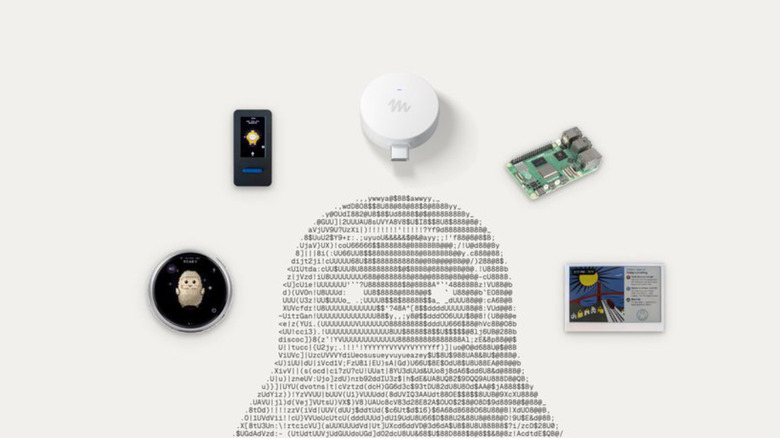
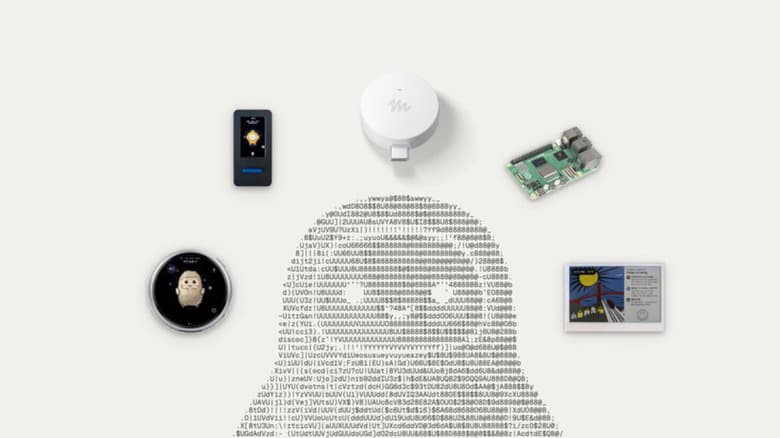
Example devices include a color e-ink display for Muse and a dedicated stick that plugs into a TV's HDMI port. The color e-ink display can show Muse's reminders and daily briefings, while the HDMI stick brings the agent to the big screen. There are almost no limits: users can take an affordable hobbyist computer — say, a Raspberry Pi — or an off-the-shelf ESP32 board and connect Muse to their own displays, buttons, sensors, and actuators. Meta describes it this way:
"Muse gadgets are open source devices you build yourself. Program an off-the-shelf ESP32 board or set up a Raspberry Pi with our SDKs, then connect Muse to your displays, buttons, sensors, actuators, and whatever else you've got lying on your workbench." — Meta (TechCrunch)
In other words, any electronics lying on your desk can become a Muse-connected device. The project is aimed primarily at developers and hobbyist engineers who love to experiment and would rather build a device with their own hands than buy a finished product.
As TechCrunch notes, the project is not aimed at the general public, but specifically at experiment-loving developers and hobbyist engineers. Because the open firmware is low-level software, it runs directly on the device, while the Linux SDK provides control from the computer side. Together, these two components supply the entire software foundation needed to connect hobbyist boards to the Muse agent.
Muse Home Link: 5,000 Units Given Away for Free
Meta also showed it has already tried the project in practice. Nat Friedman, head of product at Meta Superintelligence Labs, announced that the company created its own gadget — the Muse Home Link. It is a small USB-C-powered device that connects Muse to the home network and, through it, enables communication with smart home devices such as speakers and smart TVs. In other words, Home Link acts as a bridge that lets Muse see and control networked devices in the home.
According to Friedman, Meta manufactured 5,000 of these devices and is giving them away to Muse subscribers for free, while supplies last. Meta said the devices will be delivered within a few weeks.
While Home Link is so far a limited-run prototype, it is being presented as working proof of the Muse Gadgets concept: anyone can build such devices themselves using the open firmware and SDK.
Part of a Broader Strategy
Muse Gadgets fits Meta's strategy of turning Muse from a standalone chatbot into a broader ecosystem. Muse has already become popular as a personal agent that books travel, fills out forms, and shops on users' behalf. Now the company wants to take the agent beyond apps and into the physical world — home devices, displays, and sensors.
The company is actively promoting Muse not only to everyday users but also to businesses: earlier that week, Muse for Small Business was unveiled. Meta also launched a new Meta Enterprise Platform division to deliver its AI offerings to business and enterprise customers.
While Muse Gadgets is aimed not at the general public but specifically at the creator community, it looks like part of Meta's plan to build an open ecosystem around the agent: developers create their own devices, and Meta provides the platform and software.
For now, Muse Gadgets is being presented as a standalone side project, but it signals Meta's intent to develop the agent not only as a software product but as a platform that works with physical devices. Open source serves as the tool to bring external developers into that process.