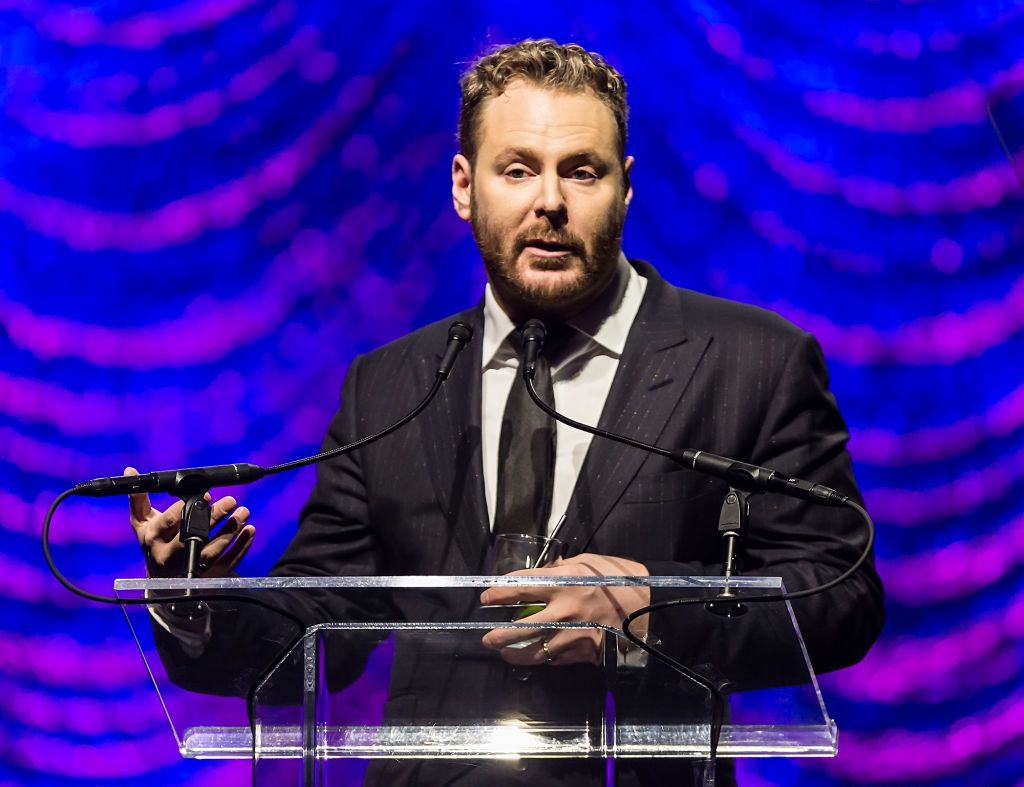
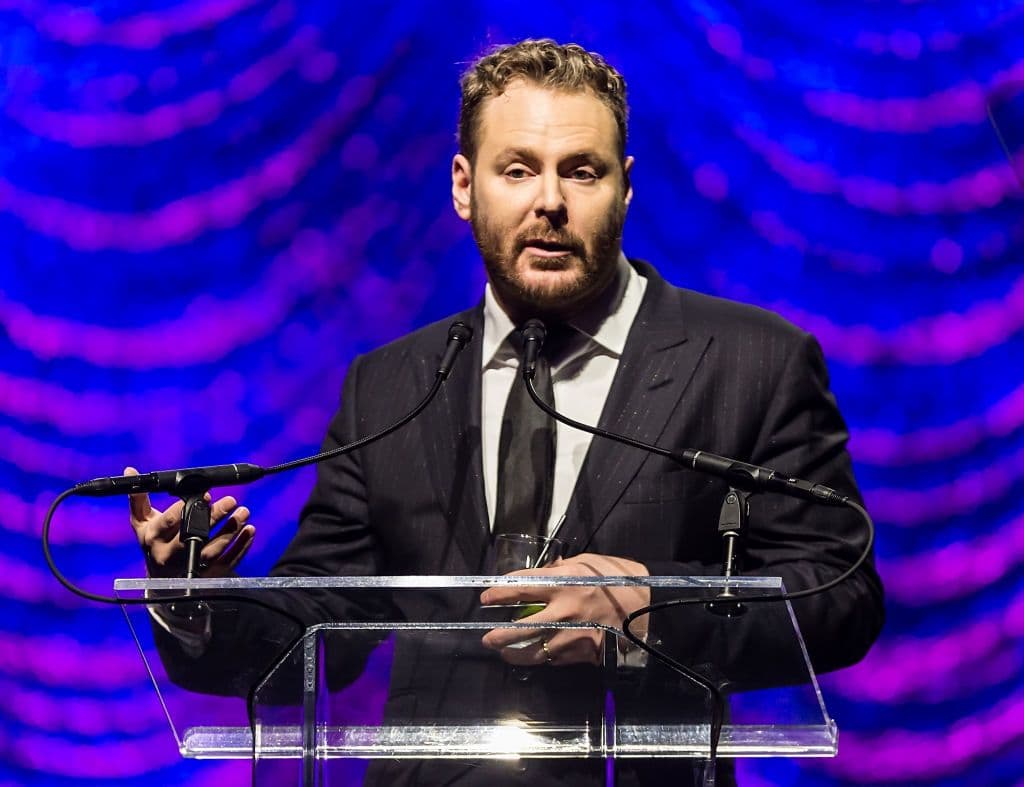
Sean Parker, one of the founders of the Napster file-sharing service, has announced he is turning the startup Stability AI into a company that builds artificial intelligence (AI) tools for music professionals. He said so on October 2, 2026, in an interview with The Information — according to TechCrunch, he is thus returning to the music industry after years. The news was published on October 2, 2026.
Parker is already a familiar figure in the music industry through Napster — and now he is returning to the field with AI tools. Two years ago, he joined the company's $80 million rescue round. At the time, the startup known for image generation was nearly destroyed by excessive spending and internal disagreements, and founder Emad Mostaque was removed from his position. Parker's friend Prem Akkaraju became CEO; the projects the two have been building over the past two years are now being revealed to the public.
$80 Million Rescue and Leadership Change
While Stability AI was once known for open image models, unchecked spending and internal conflict brought the company to the brink of crisis. In 2024, a group of investors including Parker put up $80 million to save the startup. Following the deal, company founder Emad Mostaque left, and leadership passed to Akkaraju. Two years have passed since the rescue — Parker and Akkaraju are now announcing that they have steered the company in an entirely different direction. Under the new leadership, the company's strategy has changed radically: instead of open image models, the main focus is now professional audio tools.
$76 Million and the Catalogs of Major Labels
The new direction has serious financial backing. In late August, the company raised $76 million from Sony, Warner and Universal. Sony, Warner and Universal — all three companies agreed to license their catalogs for model training. The investment and the licensing deal were announced as a single package: the labels not only invested money but also opened their music archives for training. The licensed catalogs make it possible to train models without material copied without permission. The deal covers the three biggest players in the music industry — their catalogs will be used as a legal source for model training.
"Sean Parker, the Napster co-founder, is rebuilding Stability AI as an AI toolmaker for music professionals" — TechCrunch (citing the interview with The Information)
Parker's goal is stated clearly: to turn the company from an image generator for the general public into a maker of tools trusted by professional musicians. His plan is to make Stability AI a leading company creating AI tools for music professionals. The entrepreneur, known to the music industry as one of the founders of Napster, is now partnering with the biggest players in that same industry.
Three New Audio Models
The company has already released three new audio models and an AI-powered music editing app. All three models are designed to turn text instructions into audio. The app creates full instrumental compositions or short music fragments based on text instructions. This is the continuation of the text-to-image idea in music: the user describes the desired style, tempo and mood in words, and the model produces finished audio matching that description. The app is designed specifically for music editing — meaning the created tracks can later be modified and adapted. The app produces two kinds of output: based on a text instruction, it creates either a full instrumental composition or a short musical fragment. In both cases, the starting point is the user's written description: style, tempo and mood. The company is positioning these models as tools for music professionals — meaning the goal is not an entertainment app for amateurs, but a serious toolkit for professional workflows. This approach sharply distinguishes the company from its previous era of image models for the general public.
Humming-Based Control
In the next update, control will become even more natural: users will be able to steer the music being created by humming a melody or repeating a drum rhythm in beatbox style. This feature complements text instructions and lets even non-professionals quickly turn their ideas into sound. Beatboxing is a way of imitating drum rhythms with the voice; the app treats it as a rhythm template. This feature has not been released yet — it was announced for a future update. Voice input is especially useful when a musical idea is hard to express in words — humming the tune directly gives a more accurate result.
The $76 million investment in late August, the licensed catalogs and the three new models are the company's first major steps in the music direction.