
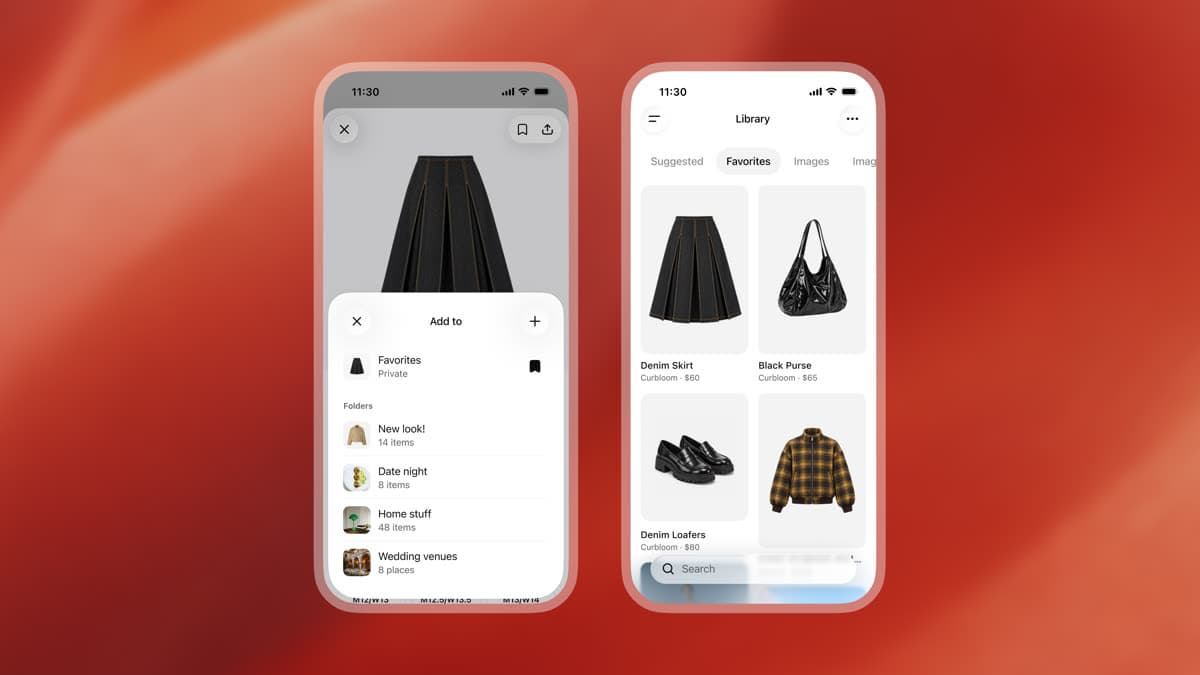
On October 1, 2026, OpenAI globally launched two new shopping features in the ChatGPT app. The first is a virtual try-on tool for clothing and accessories; the second is a Favorites feature that lets users save discovered products to revisit later. According to the company's official release notes, both features will be available in ChatGPT's mobile and web versions. The announcement was made on Thursday, October 1, and the features rolled out worldwide the same day.
How Virtual Try-On Works
Virtual try-on appears in ChatGPT's shopping results as a new "Try On" button. The button shows up in the list of clothing and accessories and lets users see how an item would look on them. It appears specifically in the clothing and accessories list in shopping results; it is not shown for other product categories.
To use the feature, users upload a selfie or a full-body photo — ChatGPT then describes how the selected clothing item or accessory would look on them. The process is powered by the new ChatGPT Images 2.5 model.
Users can also upload a photo of the item itself: for example, sending a screenshot of an online store page and asking ChatGPT to "try on" that item. In that case, the model combines the uploaded product image with the reference photo to generate an approximate result.
According to OpenAI's release notes, an uploaded reference photo is saved for future try-ons. Users can change or delete it at any time under Settings → Personalization → Reference images. That way, a photo uploaded once is automatically reused in every subsequent try-on.
Favorites: Saving Your Finds
The second addition is the Favorites feature. It lets users save products they discover through ChatGPT to a Library inside the app, making them easy to find later.
According to the company, saved items are kept alongside the virtual try-on images the user created — so shopping finds and try-on results are collected in one place.
Favorites can also be organized: users can save any product to Favorites or create folders to sort finds by topic. The Library lives inside the ChatGPT app, where all of a user's saved finds are gathered. The feature works in both the mobile and web versions.
Powered by the ChatGPT Images 2.5 Model
Both features run on the recently introduced ChatGPT Images 2.5 model. OpenAI claims the new model delivers more natural lighting and richer textures than previous versions, follows editing instructions more reliably, and reduces image-generation latency.
"The ChatGPT Images 2.5 model delivers more natural lighting and richer textures, follows editing instructions more reliably, and reduces image-generation latency," OpenAI notes (as quoted in the TechCrunch article).
More details about the model are in OpenAI's October 1, 2026 release notes titled "New ways to shop in ChatGPT"; the document is available on OpenAI's website. These claims appear in both the official release notes and the TechCrunch article.
More Shopping Capabilities
OpenAI says ChatGPT can also help with shopping in other ways. For example, users can describe in words the style they want to try and ask it to find the items needed for a complete look.
Another option is uploading photos of celebrity outfits: ChatGPT will find similar items available for purchase. In this scenario, the user provides a text description and ChatGPT searches for items matching the style; when searching from celebrity outfit photos, the system identifies similar items that are on sale.
According to TechCrunch, Pinterest and Google have dominated in recent years as sources of fashion inspiration and discovery. Discoveries on their platforms convert directly into sales for online retail — and OpenAI has now entered this field through ChatGPT.
Another Attempt at Commerce
TechCrunch notes that virtual try-on and Favorites mark OpenAI's second major attempt at commerce inside ChatGPT. The company's previous idea — the Instant Checkout feature — failed to deliver the expected results, forcing OpenAI to change course. According to the publication, after Instant Checkout's failure, OpenAI is trying a new approach to commerce.
At the same time, competition has already taken shape: last year Google launched a similar virtual try-on feature in its search engine. TechCrunch notes that AI assistants are now actively exploring consumer scenarios around shopping — for example, the agentic AI startup Instinct has begun sending users proactive product recommendations, though some have judged it more of an overreach resembling advertising than helpful advice.


