AI Demand Remains 'Very, Very High'
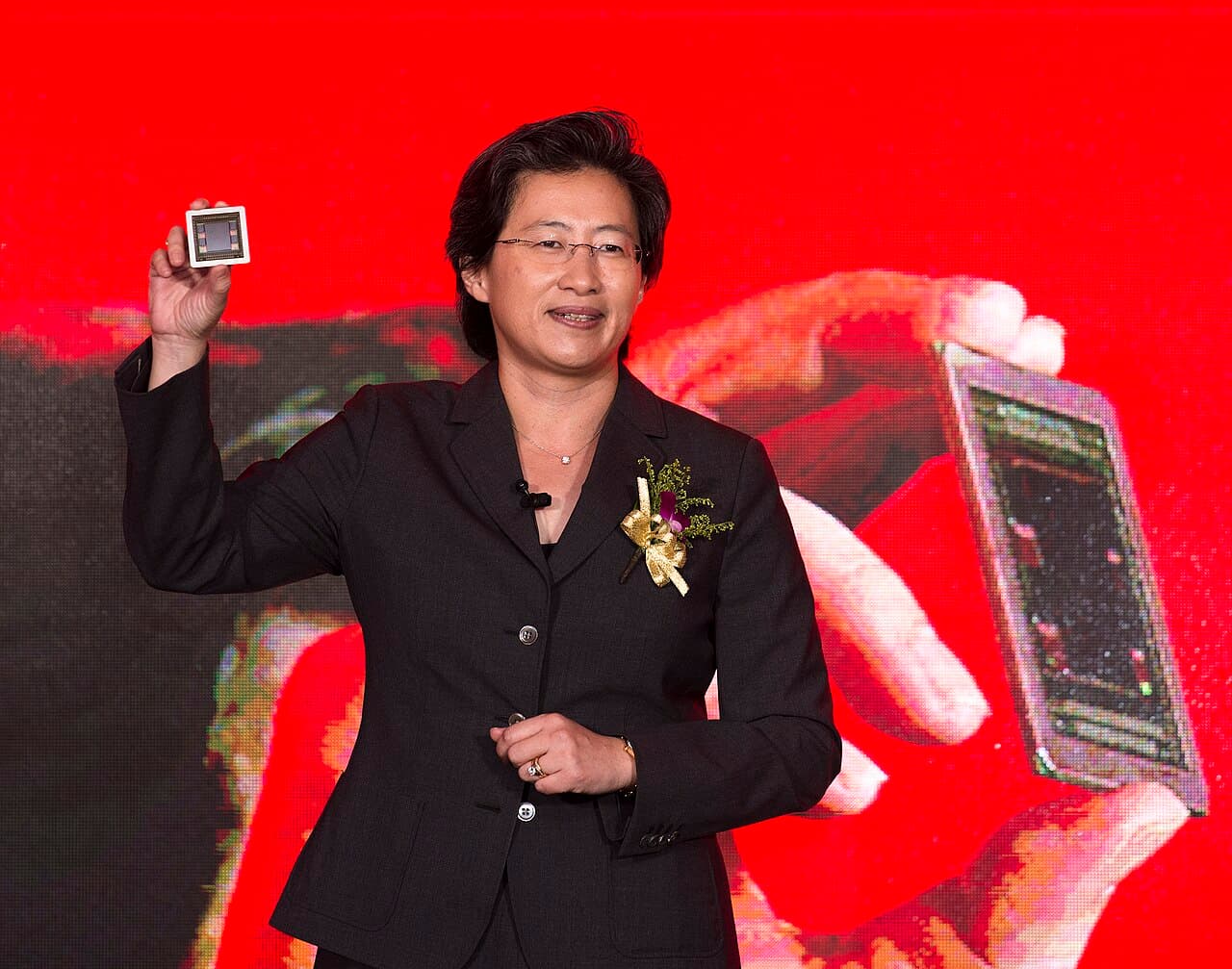
AMD CEO Lisa Su told reporters at a meeting in Taipei on October 6 that the company was able to increase chip supply during 2026 and plans to 'sharply' increase it in 2027. In her assessment, demand for artificial intelligence computing power will remain 'very, very high' for the next several years.
"We were able to grow our supply throughout 2026, and we will substantially increase our supply in 2027," Su told reporters at the Taipei meeting. The supply growth achieved in 2026 thus serves as the starting phase of the 'sharp' 2027 expansion: the company is raising volumes step by step, laying the groundwork now for next year's big jump. This sequence reflects a strategy of gradually expanding capacity in line with expected demand. Given that demand remains at a consistently high level, AMD is planning manufacturing capacity three to five years ahead. The company's strategy is thus built in two directions: on the one hand, steadily increasing current supply; on the other, planning capacity that guarantees in advance the 'very, very high' demand of the coming years. Su's statement in Taipei was an open expression of precisely this long-term vision. Long-term planning itself is a sign of confidence in demand forecasts: AMD, counting on continued growth in the AI compute market, is planning capacity three to five years out and is already making supply-chain decisions.
Taiwan Trip: Securing CPU and GPU Capacity
Su traveled to Taiwan to secure CPU and GPU supply-chain capacity. During the trip, she met with Foxconn leadership, and a meeting with TSMC is planned. According to Reuters, advanced wafer capacity is at the center of the talks — precisely the capacity that is key to manufacturing AMD's modern processors and graphics chips. The trip's main goal is to ensure readiness to increase CPU and GPU manufacturing capacity: the company is preparing in advance, capacity-wise, for the high demand of the coming years. The meeting with Foxconn leadership has already taken place, while the TSMC meeting is planned — both are being held within the framework of the 2027 supply plan and lay the groundwork for next year's 'sharp' growth. According to Focus Taiwan, Su, answering reporters' questions in Taipei, disclosed the company's supply-chain plans. Taiwan is an important link in AMD's supply chain, and the company is seeking to secure manufacturing capacity right here. The planned meeting with TSMC is aimed at strengthening relations with one of AMD's key chip-manufacturing partners. The meeting with Foxconn covers another important link in the supply chain. These meetings form the foundation of the 'sharp' supply-increase plan for 2027.
Memory Supply: Partnership with Samsung and SK Hynix
Ahead of her trip to South Korea, Su put cooperation with Samsung and SK Hynix on memory supply on the agenda. For AI computing systems, memory is as important a component as processors and graphics chips, which is why AMD is working to secure this link in the supply chain in advance as well. That memory cooperation was put on the agenda before the South Korea trip shows AMD plans to take this link to formal negotiations during the trip. Like the Taiwan talks on wafer capacity, agreements on memory will also be part of the foundation of the 2027 supply plan. Samsung and SK Hynix are considered leading players in the memory market. Partnering with them will allow AMD to ensure continuity of memory supply amid growing demand for AI chips in the coming years. This step complements the wafer-capacity talks in Taiwan. The sequence of trips — first Taiwan, then South Korea — shows AMD is working systematically with its supply-chain partners in Asia.
$10 Billion Investment Plan on Track
The $10 billion Taiwan investment plan announced in May is on track. During the Taiwan trip, Su met with the leaders of Acer, Asus, Foxconn, and Quanta — these companies, as leaders of Taiwan's technology ecosystem, form AMD's partnership network in the region. The plan was announced in May, and according to Su it is now on track — meaning no delays have been observed since the announcement. This consistency, together with the sequence of meetings with partners in Taiwan, confirms the company's long-term commitment to the region. The meetings discussed not only manufacturing capacity but also AI safety. In Su's view, technology companies should work together as an ecosystem: the safe development of AI systems depends on the cooperation of the entire industry, not individual companies. Meetings with Acer, Asus, and Quanta serve to strengthen AMD's position in Taiwan's ecosystem: ties with these companies deepen the industrial partnership that ensures the practical implementation of the investment plan. The $10 billion plan and the series of high-level meetings confirm AMD's long-term commitment to Taiwan.