The Federal Bureau of Investigation (FBI) arrested OpenAI engineer Abdulrahman Alfozan on October 9. The 35-year-old Saudi citizen is accused of planting a hidden voice-recording device in the executive boardroom of the company's San Francisco office. Federal prosecutors charged him with secretly recording oral conversations using an electronic device. If convicted, Alfozan faces up to 5 years in prison. According to the FBI, the goal of the plot was to capture sensitive conversations related to OpenAI's superintelligence technology. Alfozan joined OpenAI in July 2025. After the device was discovered, the company fired him and handed the case to the Federal Bureau of Investigation. In an official statement on X, OpenAI said it used its own internal AI models to identify the person responsible.
Where the Device Was Found
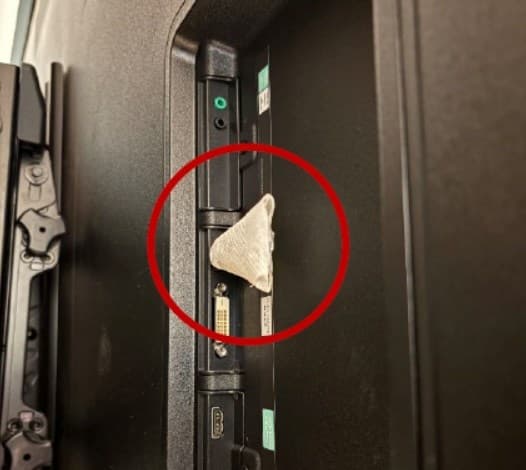
OpenAI employees discovered the hidden voice-recording device on September 30 at the company's San Francisco office. It was found in the executive boardroom — plugged into a USB port on the back of the television. According to preliminary information, it was planted around September 28, roughly two days before it was discovered.
The executive boardroom is where company leadership holds its meetings. The fact that the device was placed in that particular room is at the center of the investigation. The Federal Bureau of Investigation said the goal of the plot was to record sensitive conversations related to OpenAI's superintelligence technology. In other words, according to the investigators' conclusion, the device was planted deliberately — not in a random spot, but in the room where the company's most sensitive discussions take place.
After the device was found, OpenAI began working to identify the person who planted it. In that process, the company deployed its own AI models — the models helped both identify the person and trace the device's origin. Once the person was identified, the company fired him and handed the case to the Federal Bureau of Investigation.
What the Device Looked Like
The device that was found was small — about the size of a thumb. It had been wrapped in toilet paper so it would be invisible to the naked eye. Such a small object plugged into a USB port on the back of the television would not catch the attention of anyone entering the room: it sat behind the TV's casing, out of sight.
The data stored on the device was encrypted. Encryption means the recorded audio could not be read even if the device fell into the wrong hands — though the disclosed materials offer no further explanation on this point. The established key facts are these: the device was small, plugged into a USB port, wrapped in toilet paper, and its data was encrypted.
AI Models Used to Identify the Person
In an official statement on X, OpenAI said it used its own internal AI models to identify the person who planted the device. According to the statement, the models performed two tasks: first, identifying the person who planted the device; second, tracing the device's origin.
So the chain of events looks like this: the device was found on September 30, the company deployed its own AI models and identified the person who planted it, then the employee was fired and the case was handed to the Federal Bureau of Investigation. On October 9, the FBI arrested Abdulrahman Alfozan.
According to evidence in OpenAI's possession, Alfozan had planned to plant additional recording devices in sensitive areas of the offices. The company also included this evidence in its official statement. In other words, the company itself has information suggesting the device that was found may not have been the only plan.
Firing and Arrest
Once the person was identified, OpenAI fired Abdulrahman Alfozan. He had joined the company as an engineer in July 2025 — about a year and three months before his arrest. He is 35 years old, a Saudi citizen.
The company handed the case to the Federal Bureau of Investigation. The FBI then arrested Alfozan on October 9. Federal prosecutors charged him with secretly recording oral conversations using an electronic device. After the charges were announced, media outlets reported on the case on October 13.
The Charge and Possible Punishment
The official description of the charge is secretly recording oral conversations using an electronic device. According to the indictment, Alfozan recorded people's voice conversations with an electronic device without their consent. Federal prosecutors brought the case under this statute and presented the charge in court.
If the court finds Alfozan guilty, he could be sentenced to up to 5 years in prison. This is the maximum sentence provided by law under this statute. The gravity of the charge is that this is not about ordinary recording, but about secretly capturing people's oral conversations with an electronic device without their consent.
According to the FBI's statement, the goal of this plot was to capture sensitive conversations related to OpenAI's superintelligence technology. The bureau pointed to this goal as the main direction of the investigation.
Statement on Model Weights and Customer Data
In its official statement, OpenAI emphasized that there is currently no indication that this person improperly accessed or exfiltrated model weights, source code, or customer data:
"At this time, there is no indication that this individual improperly accessed or exfiltrated model weights, source code, or customer data," OpenAI said in its official statement on X.
In other words, based on the company's current information, the incident was limited to the voice-recording device. No leak of model weights — the trained parameters of AI models — source code, or customer data has been recorded. The company issued this conclusion with the caveat "at this time," meaning no such signs have been identified while the investigation is ongoing.
What Has Not Been Disclosed
The disclosed materials leave a number of questions unanswered. Nothing has been said about the content of the encrypted recordings on the device — it is unknown whether the encrypted data has been read or not. No official comment has been given on the personal motive Alfozan may have had in planting the device; the FBI has only stated the plot's overall goal — capturing sensitive conversations related to superintelligence technology.
Details of the "plan to plant additional devices" cited by OpenAI as evidence have also not been disclosed: it is unclear which areas the plan covered and how close it was to being carried out. There are no answers to these questions yet.
Key Points of the Company Statement
OpenAI's official statement on X sums up the company's position on the incident. The statement records six key points. First, the company used its own internal AI models to identify the person who planted the device. Second, the models also helped trace the device's origin — meaning the company gathered information not only about who it was, but about the device itself.
Third, according to evidence in OpenAI's possession, Alfozan had planned to plant additional recording devices in sensitive areas of the offices. Fourth, the company emphasized that there is currently no indication that the employee improperly accessed or exfiltrated model weights, source code, or customer data.
Fifth, once the person was identified, the company fired him. Sixth, the case was handed to the Federal Bureau of Investigation, and on October 9 the FBI arrested him. The overall tone of the statement is that the company detected the incident using its own internal resources and then handed it over to law enforcement.
What Is Known About the Next Stage of the Investigation
At the current stage, an official charge has been announced: federal prosecutors accuse Alfozan of secretly recording oral conversations using an electronic device. The trial on the charge is ahead — if the court finds him guilty, a sentence of up to 5 years in prison could be imposed.
The FBI has said the goal of the plot was to capture sensitive conversations related to OpenAI's superintelligence technology. This statement shows the direction the investigation is heading: the focus is not on the device itself, but on the information it was intended to capture. Additional details have not been disclosed so far.
To recap: Abdulrahman Alfozan joined OpenAI as an engineer in July 2025. The hidden device was found on September 30 in the executive boardroom of the San Francisco office, and on October 9 he was arrested by the FBI. The charge brought by federal prosecutors — secretly recording oral conversations using an electronic device — will now be heard in court.
Timeline of Events
The events unfolded in the following sequence:
- July 2025 — 35-year-old Saudi citizen Abdulrahman Alfozan joined OpenAI as an engineer.
- September 28, 2026 (approximate) — a thumb-sized voice-recording device was planted in the USB port on the back of the television in the executive boardroom of the San Francisco office; the device was wrapped in toilet paper.
- September 30, 2026 — OpenAI employees discovered the device; the data on it was encrypted.
- October 9, 2026 — the FBI arrested Alfozan; federal prosecutors charged him with secretly recording oral conversations using an electronic device.
- October 13, 2026 — The Verge and TechCrunch reported on the case. In its X statement, OpenAI said it used its own internal AI models to identify the person, traced the device's origin, and that the employee had been fired and the case handed to the FBI.