On October 13, 2026, Google announced that Play Store will now support private Android apps built with artificial intelligence. The new feature is launching in the US: an app created with vibe-coding in AI Studio installs directly to the phone through Play Store — no need to connect the phone to a computer. Most importantly, the app does not have to be published to the public Play Store catalog.
From Idea to Install — a New Process
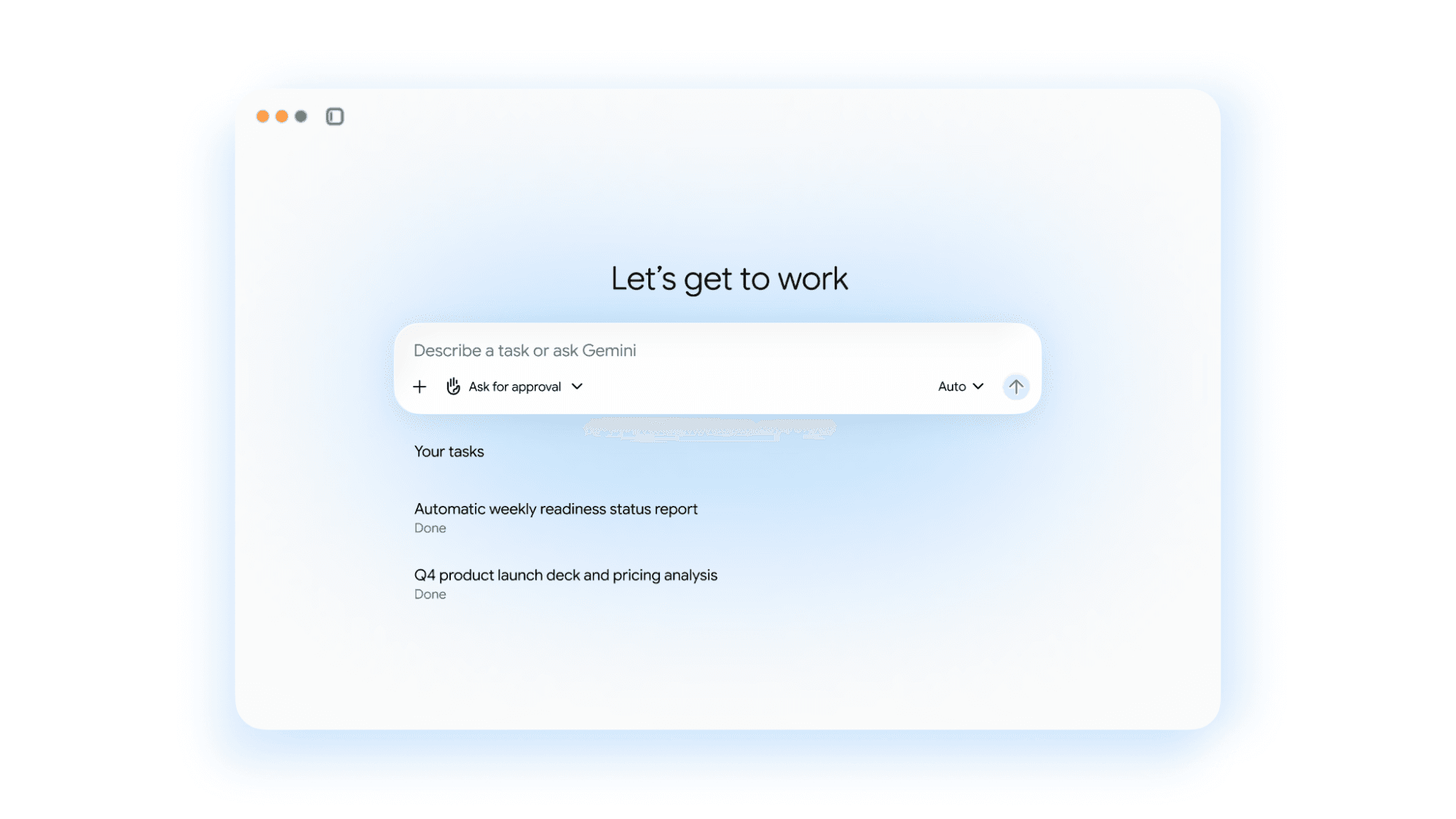
AI Studio is Google's platform for creating apps with artificial intelligence. Users describe the app they need in natural language — vibe-coding: instead of writing code, they explain in words what they want, and the AI turns that description into a working app.
Installing such an app on a phone used to require extra steps; now the entire process completes inside Play Store. The app is created in AI Studio, published through Play Store, and installed on the device from there. Connecting the phone to a computer, manually copying files, or going through complex setup steps are things of the past.
This approach erases the boundary between creating an app in AI Studio and distributing it through Play Store. Users can launch the app on their device without leaving the environment where they created it. As a result, building personal tools has become as simple as possible even for people with no programming experience — an idea can be tried on a phone as soon as it appears.
Private Mode: No Public Catalog Required
The most important aspect of the new feature is that an app can be intended solely for its owner. The traditional way of listing an app on Play Store required making it open to all users: a review process, a public page, ratings. Now personal vibe-coded apps can be stored and installed without meeting those requirements.
On October 13, 2026, Google announced that Play Store will support private Android apps built with artificial intelligence using vibe-coding — users will not be required to make the app public to everyone on Play Store.
— TechCrunch
This approach is designed for apps built for personal needs — for example, a family-budget tracker, a personal notes system, or an assistant that automates a specific daily workflow. Such apps serve one person or a small group and are not aimed at a mass audience. Yet they can now enjoy the benefits of the official distribution channel: updates, secure installation, and Play Store's reliable infrastructure are available for personal apps too.
Google's Next Plan: Broader Releases
Google does not intend to stop at personal apps. According to Ars Technica, the company plans to help turn these personal, AI-built apps into broader releases in the future.
This means an app created today for a single user could become a mass-market product tomorrow. Google is preparing additional mechanisms so that a project that began as a personal tool can grow into a full Play Store release. Although it is not yet clear when these plans will materialize, the direction is clear: simplify the path from a personal app to a public release.
Play Store is thus gradually becoming a distribution platform not only for professional developers but also for everyday users who have built an app for themselves with AI. The feature is launching in the US for now; no timeline for expansion to other regions has been announced.
Three Sources on the Announcement
Three independent publications covered the story on the same day — October 13, 2026 — each from its own angle. TechCrunch focused on the core of the announcement: Play Store now supports private AI-built apps, and they do not have to be made public. The Verge emphasized the practical side: the feature launching in the US will let users build a custom app in AI Studio with vibe-coding, then run and install it directly through Play Store, without connecting the phone to a computer. Ars Technica looked to the future: Google plans to help turn these personal AI-built apps into broader releases down the road.
Together these are three facets of one picture: the announcement (what changed), the mechanics (how it works), and the outlook (what comes next). The feature is currently available only in the US — no timeline for other countries has been published, so it is too early to talk about expansion.
Read more: TechCrunch on the announcement details, The Verge on the US launch terms, Ars Technica on the future plans.