
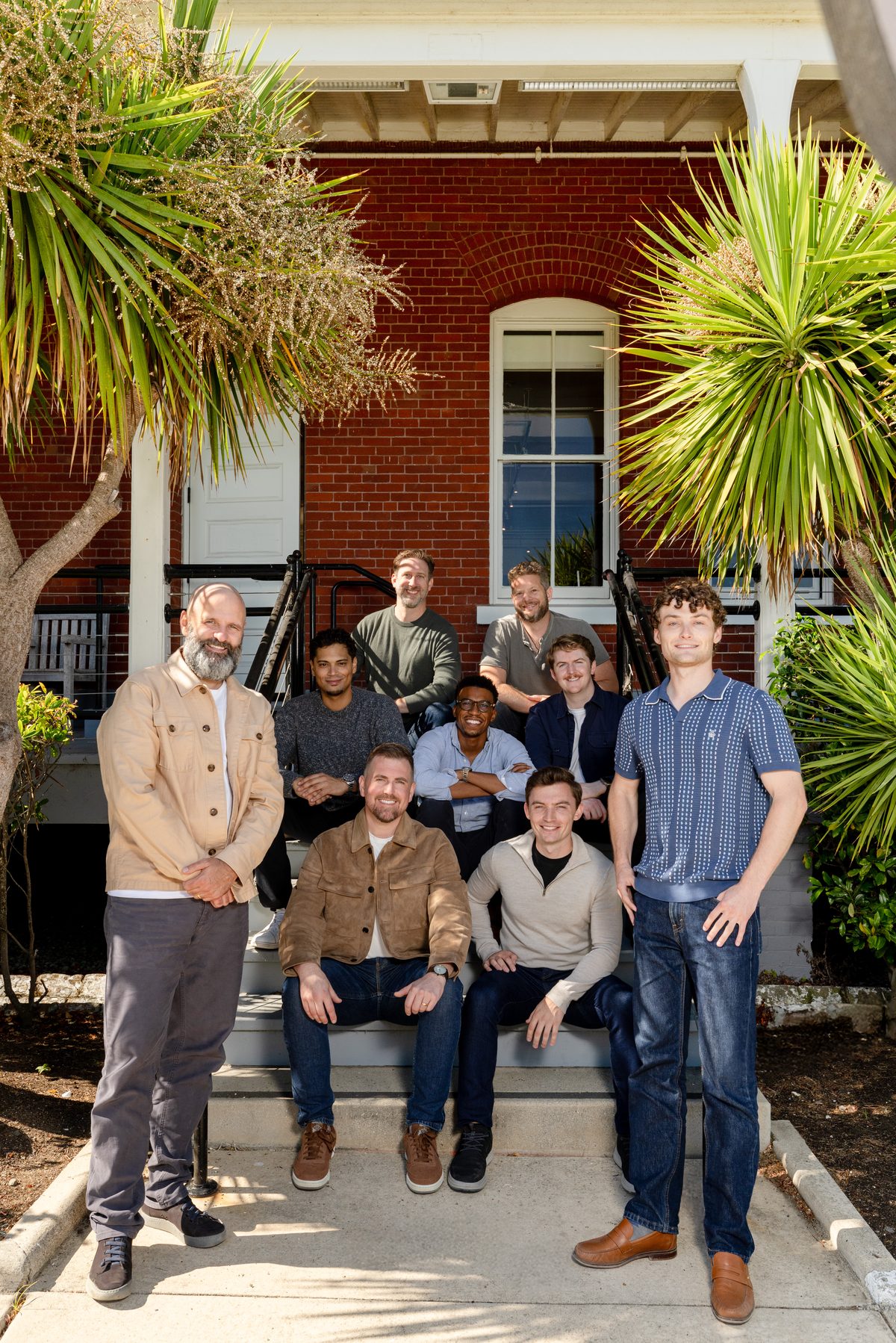
General Compute announced on October 27, 2026, that it had completed a 100 million dollar Series A funding round. The round was co-led by Blackbird Ventures and Abstract Ventures. Fuse Venture Partners and Village Global also participated in the round. The company's post-money valuation reached 800 million dollars. After the seed round in May, the company's valuation was 60 million dollars. A 100 million dollar annual recurring revenue deal with a large customer paved the way for the funding round.
Funding Round and Valuation
General Compute's funding round shows that the company's valuation rose sharply in a short time. After the seed round in May, the company was valued at 60 million dollars. After the Series A round, that figure reached 800 million dollars. The round was co-led by Blackbird Ventures and Abstract Ventures. Both funds jointly led the round. Fuse Venture Partners and Village Global also participated in the round. In addition, it was reported that there were other participants in the round. The deal with a large customer was an important factor before the round. The deal equals 100 million dollars in annual recurring revenue. That deal created the basis for the company to attract new investment. The company's blog and a TechCrunch article were cited as sources for the funding. Both sources give the same information on the size of the round and the leading funds. The news about the round was published on October 27, 2026.
The details of the round are confirmed in both sources. The TechCrunch article states that the round was 100 million dollars in size and that the leaders were Blackbird Ventures and Abstract Ventures. The General Compute blog also gives the same size and the same leaders. The blog also confirms that Fuse Venture Partners and Village Global participated in the round. On valuation, too, both sources show the same direction: growth from 60 million dollars in May to 800 million dollars after Series A.
What Cloud Model
General Compute is building a cloud service based on specialized inference chips. The company uses chips developed by Nvidia rivals. SambaNova, Positron, and Cerebras were named as chip suppliers. The company finances, deploys, and manages graphics processors and specialized inference chips. Services are offered to customers in two forms. The first form is dedicated bare-metal servers. The second form is a service-level agreement for guaranteed tokens per second. This model sets the company apart from companies building traditional large data centers. Instead of building large data centers, the company chose another path. At the center of the model are chips designed for inference. Graphics processors are also part of the company's offering. The main emphasis, however, is on specialized inference chips.
In essence, the model is this: the company finances, deploys, and manages Cerebras, SambaNova, and Positron AI chips and offers customers dedicated bare-metal servers or a service-level agreement for guaranteed tokens per second.
Chip Purchases and Debt Financing
General Compute signed a 400 million dollar deal to purchase new chips from SambaNova. The deal was described as the first inference-chip deal financed with debt. This deal is based on the company's previously announced debt facility. The previously announced debt facility was a 400 million dollar credit line from Upper90. The new deal was carried out on the basis of that credit line. The chip purchase came alongside an expansion of the company's supplier list. Alongside SambaNova, Positron and Cerebras also joined the company's chip suppliers. Buying chips with debt is an important part of the company's financing model. The size of the deal is four times larger than the size of the Series A funding round. Both figures were given in sources dated October 27, 2026.
Capacity Plan and Deployment
General Compute chose a different strategy instead of building large data centers. The company uses smaller sources of capacity. The company leases space in other companies' data centers. The company converts former bitcoin mining sites into places for running artificial intelligence models. Chief Executive Finn Puklowski expects the company to bring 75 megawatts of computing capacity online in 2027. Under the plan announced by the company, its first major deployments will go live in the first quarter of 2027. Under the plan, the capacity going live will exceed 50 megawatts. These figures were given in the company blog and the TechCrunch article. The plan shows that the company will increase capacity gradually. Small capacity sources and leased space form the basis of this plan. Reusing former bitcoin mining sites is also part of this plan. The TechCrunch article and the General Compute blog are the main sources on the round and the plan.