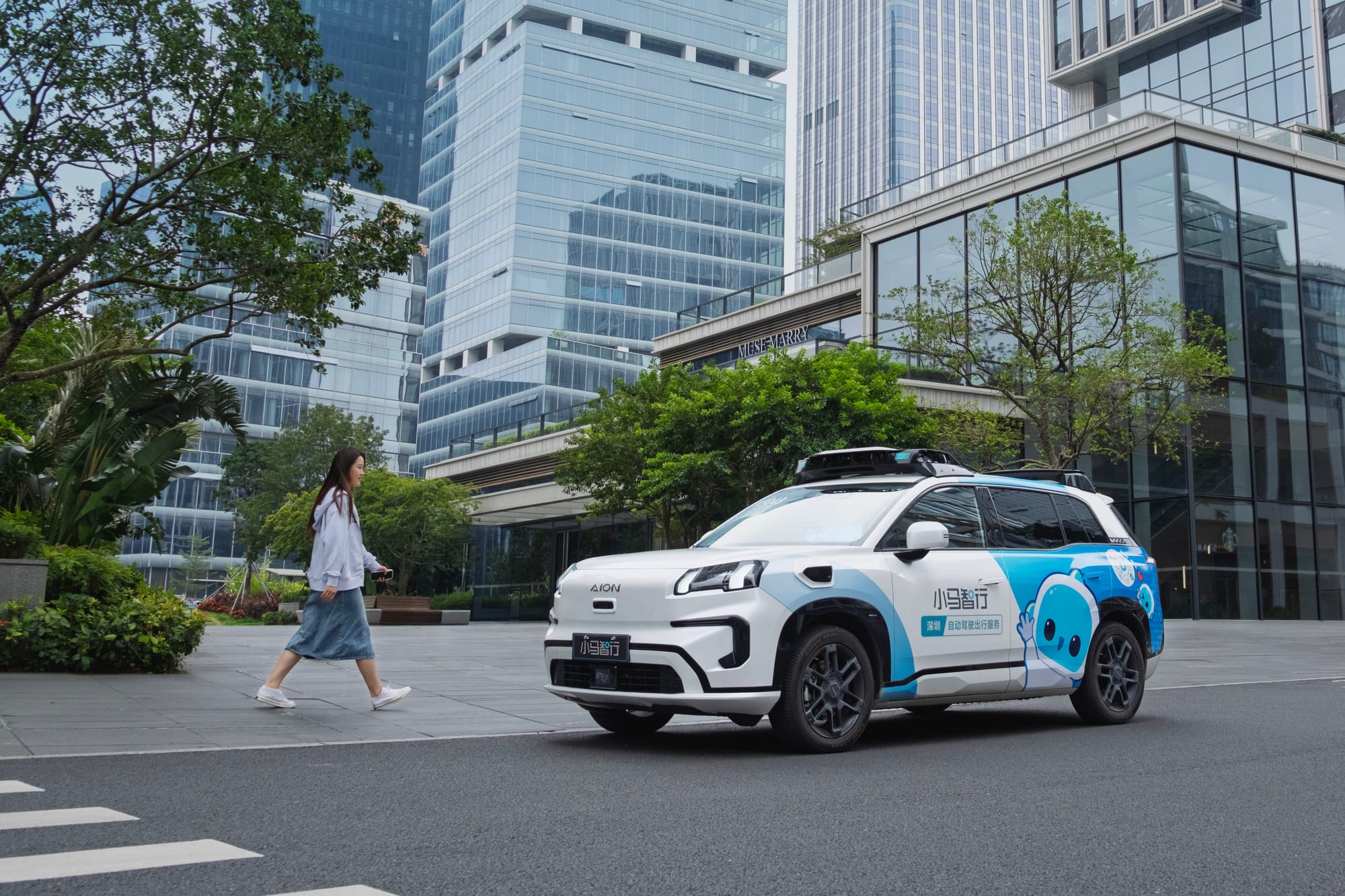
Ride-hailing service inDrive, Chinese autonomous-driving company Pony.ai and chipmaker Nvidia signed a memorandum of understanding on Friday, October 23, 2026. Under the document, the three parties will jointly assess the technical, legal and commercial feasibility of offering Pony.ai's Gen-7 robotaxis through the inDrive app. Initial trials are planned to begin in the first half of 2027 in Astana, the capital of Kazakhstan. If the deal materializes, it will mark Pony.ai's first entry into the Central Asian market.
Agreement: Each Party's Role
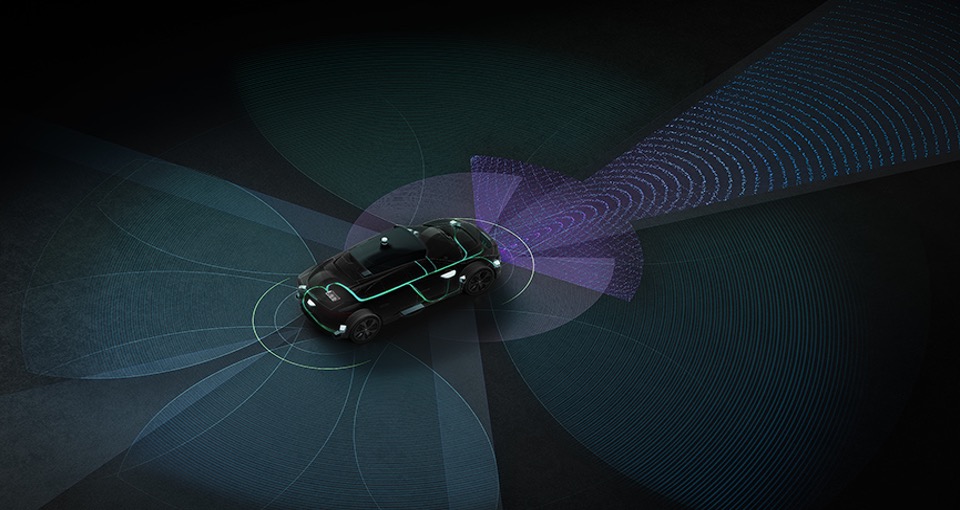
The memorandum clearly divides responsibilities among the three companies. Pony.ai will provide its Gen-7 robotaxis — these are the vehicles that will take part in the trials. inDrive will offer these robotaxis to customers through its ride-hailing app and will take charge of operating them in Kazakhstan. Nvidia will supply artificial intelligence technologies for the project, including the Hyperion platform and the Halos safety system.
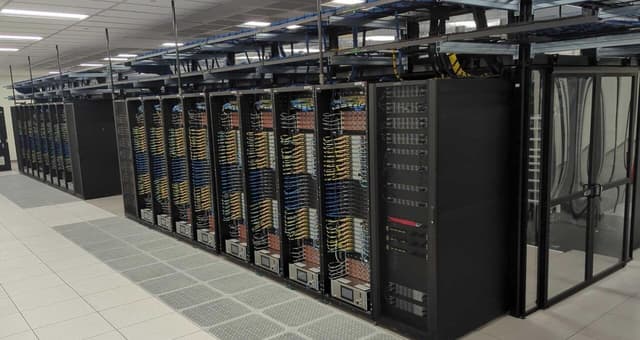
Nvidia notes that the Hyperion platform gives companies a ready-made foundation of sensors and computing technology, helping to cut robotaxi development costs. This approach lets each participant lean on its own strengths: Pony.ai on autonomous-driving technology, inDrive on its large passenger base and local operational experience, and Nvidia on its computing platform and safety systems. This division of labor allows the project to launch faster and more cheaply than any single company could manage on its own.
Assessment Across Three Tracks
The memorandum is not a mere statement of intent: according to the joint statement the three companies issued on Friday, the launch of driverless rides through the inDrive app will be assessed across three tracks — technical, legal and commercial feasibility. The technical assessment will determine whether the Gen-7 vehicles are ready to operate on Astana's roads and in its conditions. The legal assessment will cover agreements and permits with the government. The commercial assessment will examine whether the service makes economic sense.
The outcome of this three-track assessment will determine the project's future: trials will begin only after the assessment is successfully completed. This staged approach is typical of robotaxi projects — it lets all risks be accounted for before major investment.
Trial Plan: Operator First, Full Autonomy Later
In the initial phase, a safety operator will be on board each robotaxi. This is standard industry practice to ensure safe trials: the operator will take over the controls when necessary. The end goal is set as a transition to fully driverless rides. inDrive's chief technology officer Yuri Misnik described the company's approach as "capital light": instead of major infrastructure investment, it relies on the existing strengths of its partners.
"Our approach is capital light by design," inDrive CTO Yuri Misnik told TechCrunch. "We work with different partners in different markets, combining their expertise with ours to deliver a better experience to customers."
Timing of the switch to fully driverless mode depends on the results of the initial trials: the operator phase must confirm stable and safe system performance in city conditions.
The project depends on agreement with the government of Kazakhstan: once official approval is received, the service will first launch in the capital, Astana. In the next phase, the parties will assess the possibility of expanding to other cities in Kazakhstan as well as to additional markets where inDrive operates. Astana will thus serve as a testing ground for the whole region.
Why Now
The announcement coincided with Nvidia CEO Jensen Huang's first visit to Kazakhstan — a clear sign of attention to the country's ambitions in autonomous transport. Kazakhstan previously announced a plan to launch autonomous taxi services in 2027: initial trials are planned in Astana and two other cities. In other words, the inDrive–Pony.ai–Nvidia trio is moving in the same direction as the country's official plans.
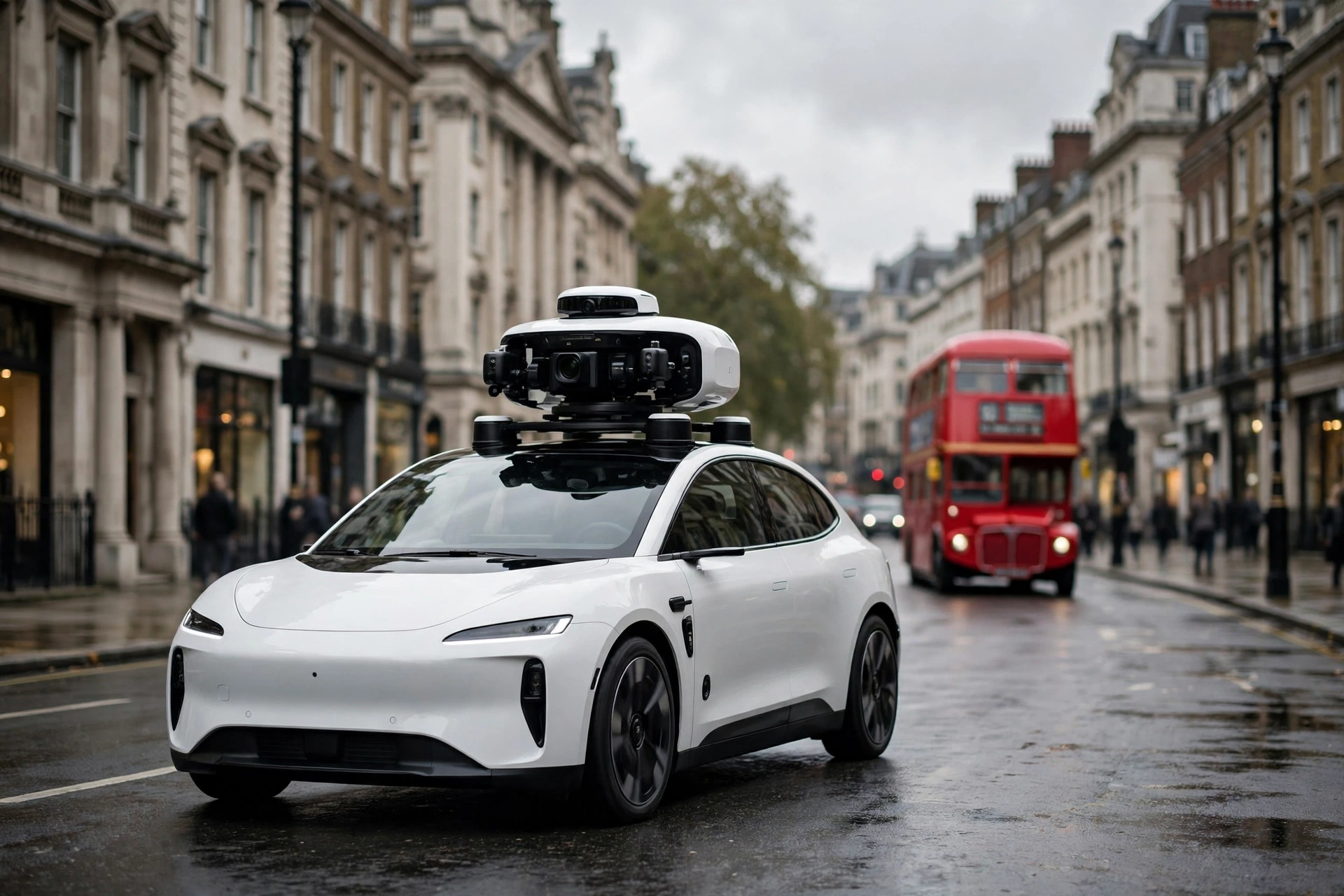
For Pony.ai, the deal is the next step in its strategy to expand beyond China. The company aims to deploy more than 3,500 robotaxis in over 20 cities worldwide by the end of 2026. Earlier this month, Uber also announced a plan to trial Pony.ai robotaxis in London — Aishunos reported on it earlier. The robotaxi race is thus expanding beyond the US and China — including into Central Asia, where Kazakhstan is becoming the region's first serious testing ground in this process.
The parties have not yet announced a final commercial launch date — first the three-track assessment must conclude and government approval must be formalized.