What Was Announced
On October 5, 2026, Instinct announced that its AI agent can now be added to group chats with friends, TechCrunch reported. According to the company, the group chat works even if friends are not Instinct members — participants are not required to open a separate account.
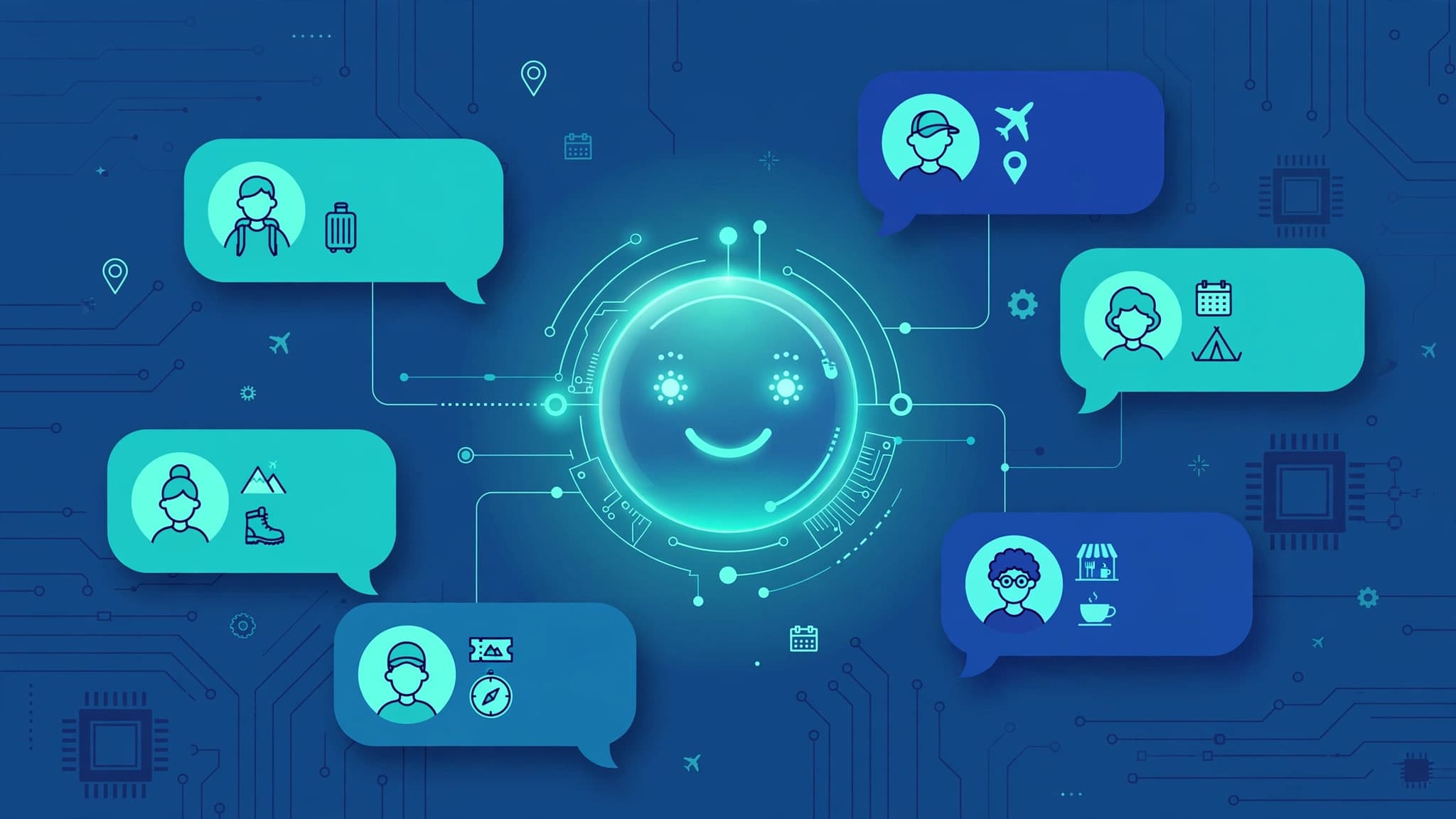
The new feature is designed to handle the group's shared tasks with the help of the agent. According to TechCrunch, tasks the agent helps with include planning trips, getting event tickets, managing fantasy leagues, coordinating carpools, and agreeing on holiday plans. For example, when planning a trip, group members can discuss the route and dates in one chat while using the agent to consolidate options; for event tickets, the agent can show available options and speed up the group's collective decision. The agent responds in the group chat so that all participants see its answers, and it is focused specifically on group tasks. What all these tasks have in common is that each requires agreement among several people. The group-chat format lets such agreements happen in one place — a conversation visible to everyone involved. The agent, answering questions right in the chat, helps the group reach a shared decision.
Friends Without an Account Can Join
Instinct stresses that the group chat works even if friends are not Instinct users. That means no separate sign-up is required from each person in the group to use the feature. This approach lets every member of the group — whether or not they use Instinct — participate in the same chat.
How the Feature Works
Under the announced mechanism, the user first contacts their personal Instinct agent. The personal agent asks its owner for permission before connecting to the group's shared agent — no connection happens without permission. Instinct founder Noah Shinn shared this on the social network X on October 5.
The group agent runs in a separate, isolated environment: it cannot access users' personal accounts and holds no personal data. Once permission is granted, the personal agent connects to the group agent, and the user can then handle group tasks through the shared chat. The group agent works only with data within the group — it does not look at the personal account's chat history or settings. So the group chat runs independently of the personal agent — through a separate agent dedicated to shared tasks.
Privacy Protections
According to Shinn, the permission prompt during the connection process is the first layer of privacy protection. The second layer is the group agent's separation from the personal account.
According to Shinn, the personal agent asks permission before connecting to the group agent, while the group agent is kept separate from users' personal accounts and cannot access the data in them. (TechCrunch)
A third safeguard kicks in when the group's composition changes: according to the company, when new members are added to the group chat, the personal Instinct agent's pending responses are held back before being shared with the group. In other words, replies prepared by the personal agent but not yet sent are paused as soon as a new participant joins and are not passed to the group. This measure is meant to prevent personal data from being accidentally exposed to new participants.
The Competitive Landscape
According to TechCrunch, this move puts Instinct ahead of Meta's Muse app: Muse still has no group-chat feature. At the same time, the publication notes that Meta's old Meta AI app can be added to group chats on WhatsApp, Messenger, Instagram, and Facebook.
The difference the publication highlights is that Instinct offers the feature linked to the personal agent — the user contacts their own agent, which then connects to the group agent with permission. Friends in the group are not required to become Instinct users.
As TechCrunch notes, Meta's old Meta AI app can be added to group chats on four major platforms — WhatsApp, Messenger, Instagram, and Facebook. So the ability to use an AI assistant in group chats already exists; what sets Instinct apart is that the feature ships together with safeguards like the permission prompt and separation from the personal account.
When Users Get It
According to the company, the feature will first roll out to Instinct's early-access users and later expand to all users. No exact dates were announced — this was stated as the company's plan. The company said the expansion will happen "soon," but gave no specific timeline. Users who want to try the feature can ask their Instinct agent to add them to the waitlist, TechCrunch reports. For now, the feature is not open to the general public; interested users can join the queue.