Key Facts of the Announcement
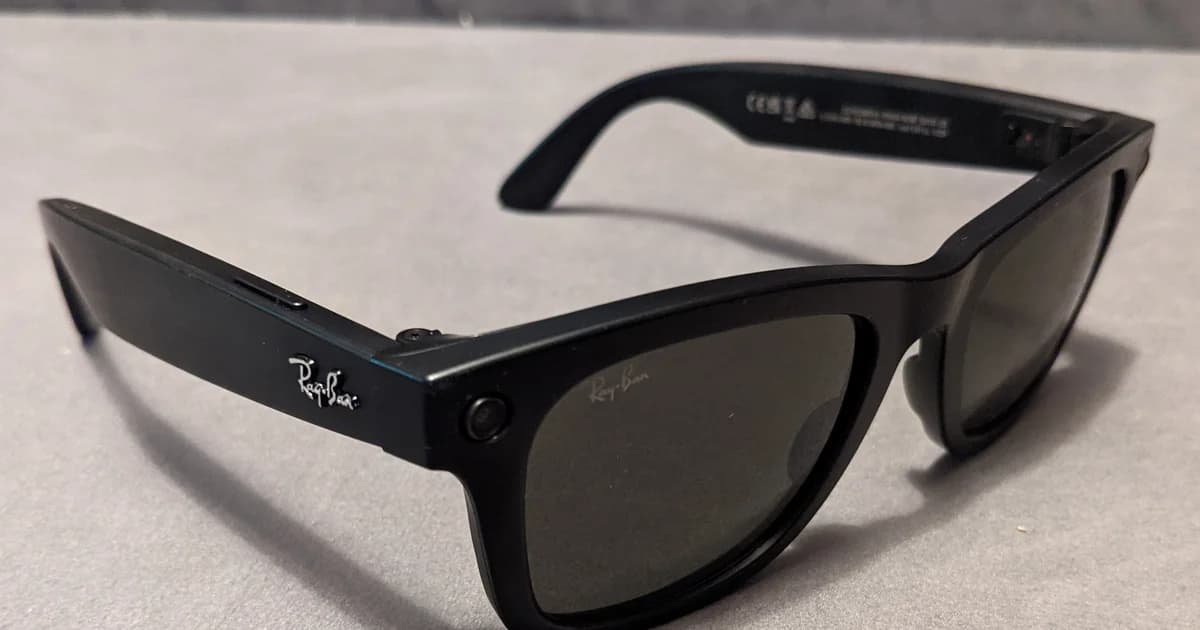
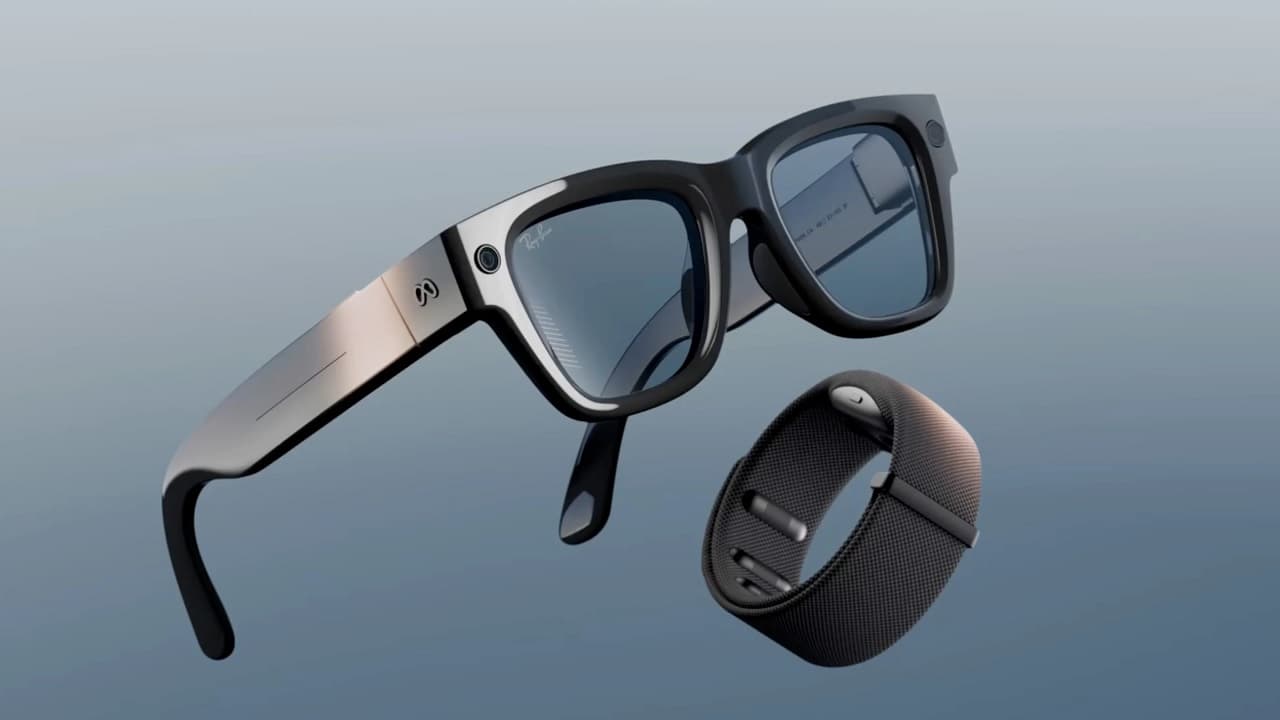
Meta officially unveiled its first display-equipped smart glasses on October 6, 2026. Alongside the glasses, the presentation also featured a neural wristband that enables gesture-based control. According to the company, the new smart glasses will start at $799, with sales opening on October 21. Reuters and AP News confirmed the announcement on October 6: two major international news agencies reported the same news on the same day.
The $799 starting price means this is the price of the most basic configuration shown. The October 21 sales launch means nearly two weeks separate the announcement from the start of sales. That window also gives retail chains time to stock the product.
The launch is being seen as Meta's next major move in consumer devices. According to Reuters, it is the company's biggest consumer hardware push since the Quest VR headset. The new smart glasses run on Meta's proprietary display technology. The display projects digital information directly in front of the user's eyes. The neural wristband reads nerve signals from the hand, recognizes gestures, and uses them to control the smart glasses: the user operates the device without touching it, using only hand movements.
The significance of the announcement is that the company presented two products at once — the smart glasses themselves and the wristband designed to control them. Both devices were officially introduced on October 6, with sales set for October 21. Details about both products come from October 6 reports by Reuters and AP News.
Proprietary Display Technology
The technical foundation of the new smart glasses is Meta's proprietary display technology. According to Reuters, the display was built specifically for this product by the company's own engineers. "Proprietary technology" means a solution that belongs to the company and was developed by its own team — that is, the company retains full control over it.
The display's job is to project digital information into the user's field of view. A person wearing the smart glasses sees text, images, and other digital content right before their eyes. This is the core element that turns the smart glasses from a mere accessory into a full-fledged digital device.
The display technology is presented as the product's most important differentiator. Reuters and AP News both highlighted the display in their October 6 reports. The fact that the company presented it as its own proprietary development means it keeps full control of the technology.
The display took center stage at the presentation: it is being shown as the product's main innovation.
Neural Wristband: Gesture Control
The second major part of the presentation was the neural wristband. The device works by reading nerve signals from the hand and provides gesture-based navigation. The user controls the smart glasses without touching the screen, using only hand and finger movements.
The wristband works as follows: the device records nerve signals in the wrist area, analyzes them to determine how the hand is moving, and sends the corresponding command to the smart glasses. This is how gestures become the control interface — a hand movement directly becomes a command.
This control method is a natural solution for a device of this form: control is preserved even when the user's hands are busy or when touching the glasses is not possible. The wristband performs exactly this role — it becomes the main channel of communication between the smart glasses and the user.
The fact that the wristband was presented alongside the smart glasses is no coincidence: the two devices complement each other. While the glasses display information, the wristband is the tool for controlling it. In this sense, the presentation can also be seen as the unveiling of a single user experience rather than two independent products.
First-Hours Sales Figures
The product's sales figures for its first hours were announced. According to Reuters and AP News, Meta is producing 40,000 smart glasses per hour. And within the first few hours, more than 50,000 devices were sold.
Placing these two figures side by side shows the scale of the picture. A production rate of 40,000 units per hour means the company has prepared the product for mass production: such a rate is intended not for small experimental batches but for large-scale sales. More than 50,000 sales within a few hours shows that demand was high from the very first hours.
What deserves special attention is where the sales happened. Of the first 50,000 sales, 40,000 were made in physical stores. In other words, nearly 80 percent of buyers purchased the product in stores rather than online. This shows the bulk of sales came through retail outlets.
Such a high share of in-store sales indicates buyers preferred to see the product in person before purchasing. Smart glasses are a wearable product whose size and comfort are evaluated personally. That is why the company has given physical stores a major place in its sales strategy.
Meta's Biggest Consumer Push Since Quest
This launch marks Meta's biggest consumer hardware push since the Quest VR headset. — Reuters, October 6, 2026
Reuters assessed the launch as Meta's biggest consumer hardware initiative since the Quest VR headset. The agency's October 6 report used exactly this description:
According to Reuters, this is Meta's biggest consumer hardware initiative since the Quest VR headset.
Quest is a headset designed for virtual reality and is one of Meta's best-known products in the consumer device market. The new smart glasses are a different kind of device: they are equipped with a display and a neural wristband and are designed to be worn on the eyes. Reuters emphasized that in scale, this move is the biggest since Quest.
This assessment marks a turning point in the company's consumer hardware strategy. While Quest is a headset designed for virtual reality, the new smart glasses were presented as a different type of device. Both products are part of Meta's consumer device lineup.
Competitive Field: Snap's Specs AR Glasses
The new smart glasses will not remain unchallenged in the market. According to AP News, Meta's product will compete directly with Snap's Specs AR glasses. The agency's October 6 report specifically noted this competition.
Specs are smart glasses in the augmented reality (AR) space, developed by Snap. According to AP News, the two companies' products will collide in one segment — the AR and smart glasses market. This means two major tech companies will compete in the same product category.
The presence of competition shows that several major tech companies are active in this segment. Meta's October 6 move was the next stage of this competition, and now two strong players — Meta and Snap — are offering their own solutions in the market.
Price and Retail Network
The new smart glasses start at $799. Sales open on October 21. According to Reuters, the company's retail partners include Sunglass Hut and LensCrafters.
Announcing the partner list is part of the sales strategy: the product will be widely distributed through physical stores. The initial sales figures confirm this — of the first 50,000 sales, 40,000 were made in stores. That is, the partnership deal announced by the company is already bearing fruit: the bulk of sales is going through physical outlets.
You can read Reuters' detailed report and the AP News report. Price, sale date, and partners — all of this was officially announced on October 6 and is confirmed by two independent sources, Reuters and AP News.
Pricing policy is also part of the announcement: $799 is stated as the starting price. Deliveries begin on October 21 — the period between the announcement and the start of sales is a little over two weeks. Retail partners are Sunglass Hut and LensCrafters; according to Reuters, 40,000 of the first 50,000 sales were made in physical stores. AP News noted that the product competes directly with Snap's Specs AR glasses — both companies are fighting for leadership in the augmented reality market.
Key Facts
According to Reuters' October 6 report, this is Meta's biggest consumer hardware initiative since the Quest VR headset.
More than 50,000 devices were sold in the first hours, 40,000 of them purchased in stores. Production capacity has been raised to 40,000 units per hour.
According to AP News, the product competes directly with Snap's Specs AR glasses — competition between major players in the smart glasses segment is intensifying.
All of these facts are based on information announced on October 6 and confirmed by Reuters and AP News.