The Norwegian government announced on Monday, October 5, 2026, a proposal to temporarily ban the use of artificial intelligence (AI) glasses in selected public places. According to the government statement, the concern centers on a simple scenario: people could be photographed, filmed, or audio-recorded without their knowledge.
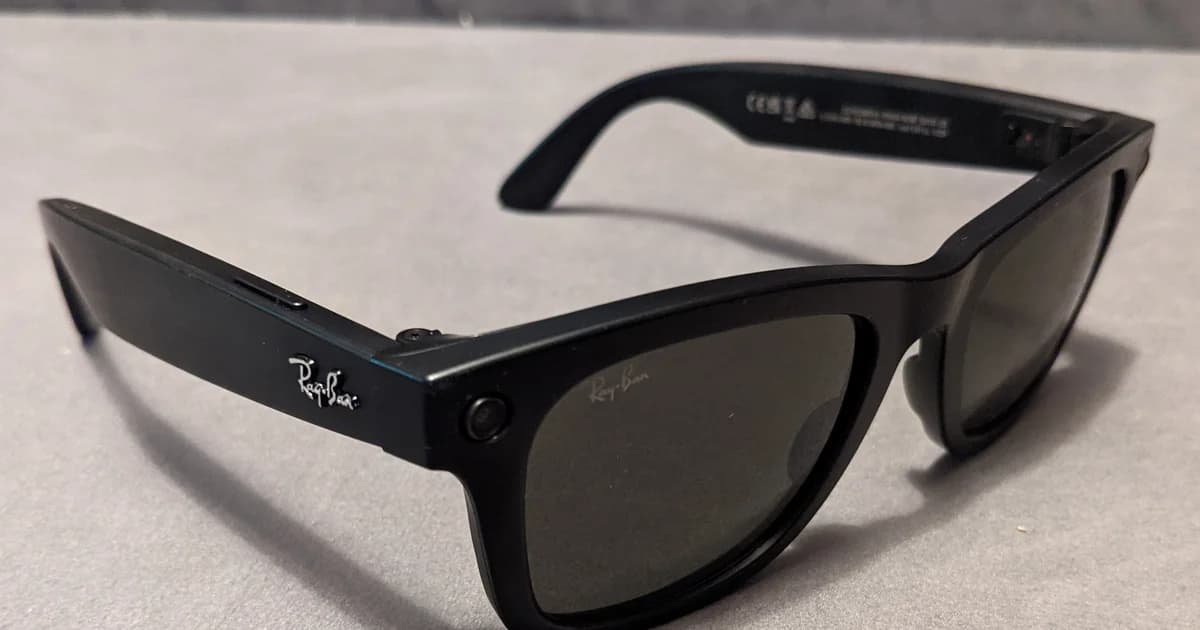
The government links this risk to the spread of AI glasses — wearable devices equipped with a camera, microphone, and in some cases an AI assistant, nearly indistinguishable in appearance from ordinary glasses. To those around, the device looks like "ordinary glasses," so recording can happen unnoticed. The government statement cites privacy risk as the direct reason for the proposal: it notes that photography, video recording, and audio recording — all three — could occur without a person's consent.
The move is being assessed as one of the first major government measures against AI glasses: Ars Technica framed the story exactly that way on the same day. According to Reuters, it is still a proposal for now — the minority government intends to introduce the bill to parliament as soon as possible.
The Essence of the Proposal
The proposal's core idea is a temporary restriction. Rather than imposing a permanent rule immediately, the government plans to first study the problem in depth, with an interim ban in effect until a permanent framework is developed. This approach is presented as a middle ground between a hasty total ban and a carefully studied permanent order. A dedicated expert group will be set up to advise the government on permanent national regulation of body-worn technologies.
Once the bill is introduced to parliament, the exact scope of the ban — which places and which devices it applies to — will be clarified during the legislative process. The government's current statement lists places and technologies using "may" language, meaning no final decision has been made yet. The proposal remains at the government-initiative stage: its entry into force depends on parliamentary debate and the vote.
Where the Ban Could Apply
According to the government statement, the ban could apply to places where people regularly gather. The initial list includes parks, beaches, museums, shopping centers, and public events — the open and enclosed public spaces where people meet most often in daily life.
Places involving children and teenagers are listed separately: schools, children's playgrounds, and youth clubs could also fall under the ban. Third, places especially sensitive to privacy are named — doctors' reception areas, swimming pools, and gyms with changing rooms.
A Full Ban Is Not Planned
The government made it clear that a full ban is not planned. Personal use — using the device in conditions that harm no one — as well as situations with no risk of photographing others without their consent, will be exempt from the ban.
The ban's technological scope will be studied separately. The range under consideration is broad: from simple glasses with camera and audio-recording functions to glasses with camera and AI functions, as well as other body-worn technologies with camera, audio recording, or AI capabilities. This means the final rule could target not a single product type but a class of recording-capable wearables.
The Minister's Comment
Minister of Digitalization and Public Governance Torgeir Micaelsen explained the cause of concern:
"I am worried that new, powerful technology is being introduced where people risk being photographed, filmed or audio-recorded without knowing it."
According to the minister, the problem is not the technology itself but the risk that people remain unaware they are being recorded. In other words, the government is signaling that its goal is not to stop innovation but to protect privacy.
Next Steps
The minority government said it will present the bill to parliament as soon as possible. The phrase "as soon as possible" is not tied to a specific date — the government only stated its intention not to drag out the process. Once the bill passes parliamentary debate, the temporary ban will gain a legal basis.
In parallel, the expert group being formed will prepare recommendations for a permanent national framework. According to the government's plan, long-term rules for wearable technologies will be developed based on the temporary measure and the experts' findings. The expert group's mandate is not limited to glasses: any body-worn device with camera, audio-recording, or AI functions could be considered under the permanent framework. Norway is thus planning to build not a one-off ban but a system covering the entire class of wearable technologies.