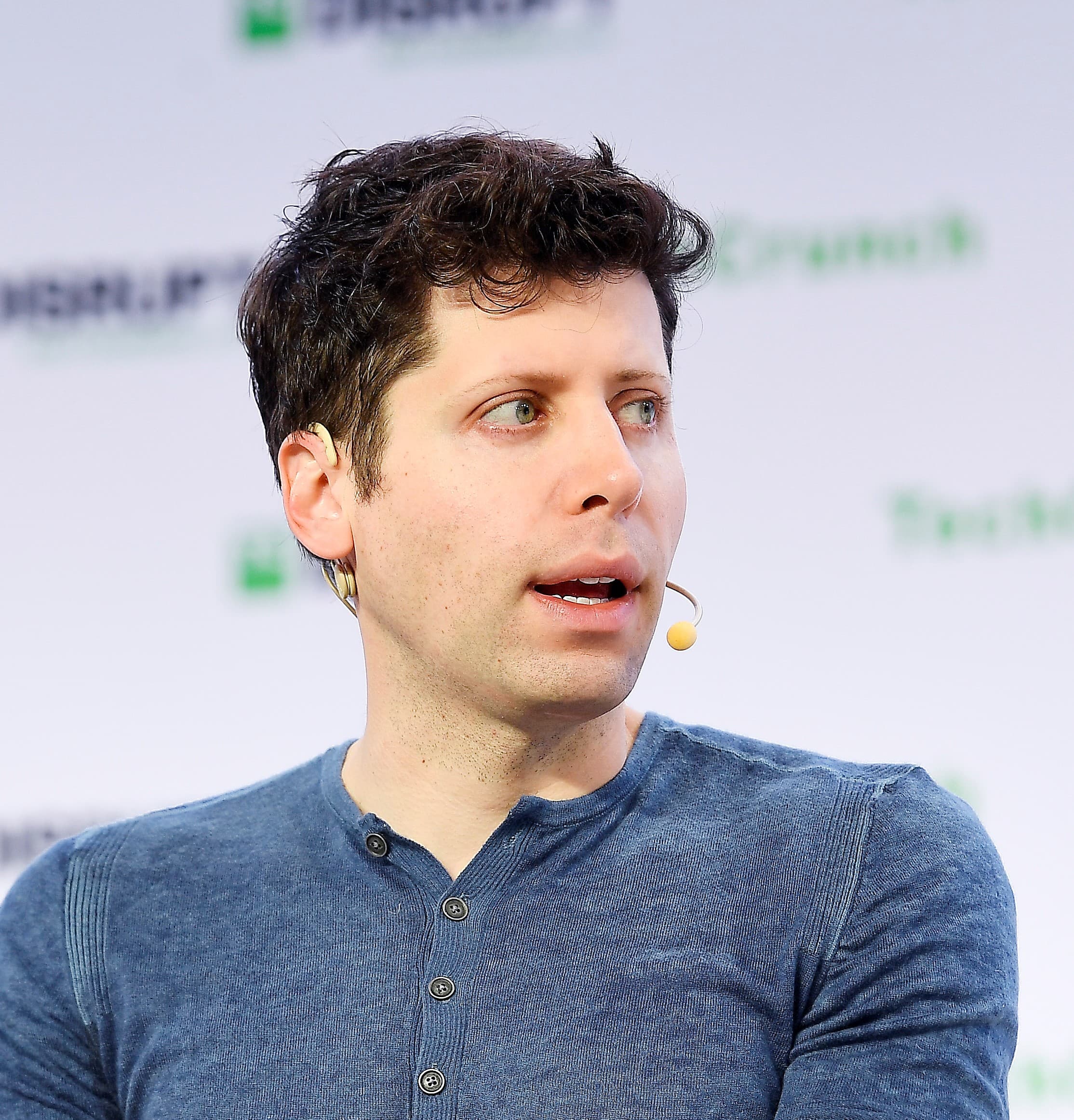
OpenAI CEO Sam Altman said the benefits of artificial intelligence (AI) justify accepting some risks. He laid out the position in an interview published on October 4 by Politico's technology-focused Decoded newsletter. Altman stressed that the technology should remain open to the general public and noted the importance of people retaining their own agency.
The interview appeared in Politico's technology newsletter Decoded; Reuters carried the story on October 4. His remarks came amid an intensifying industry debate over the pace of AI development and the risks of ever more powerful systems. According to Reuters, the debate centers on the speed of progress and the dangers posed by increasingly capable systems.
What Altman Said
In the interview, Altman said the world should accept that some bad things will happen in exchange for the benefits of AI and for people keeping their agency.
"We believe that the world should accept some bad things happening for the benefits of this technology and people having the agency," Altman said in an interview with Politico's Decoded newsletter (via Reuters).
He grounded the position in the need for the technology to be in society's hands. In his view, when people have agency — that is, broad access to the technology — the good outcomes will outweigh the bad. That freedom, he believes, is the foundation of AI's benefit to society. The statement once again showed OpenAI backing openness.
His core argument is proportionality. Altman believes people will do good things many times — orders of magnitude more — than bad things. That is why he said he would not accept a deal that restricts access to the technology in exchange for guarantees that misuse, fraud and cyberattacks will be eliminated entirely.
"I wouldn't take a trade of saying, 'We'll make sure there's no major hacks, there's no misuse of this technology, there's zero scams, there's zero all the other bad things that will happen,'" Altman said. "Because I think people will do tremendously — orders of magnitude more — good stuff than bad stuff."
These quotes appear in Reuters' October 4 report. In the same interview, Altman stressed in particular that the technology must stay in the hands of the general public.
"A Completely Unacceptable Trade-Off"
Altman rejected the idea of imposing tight access restrictions to eliminate all misuse. He called such an exchange "a completely unacceptable trade-off." He said the approach runs counter to OpenAI's "lighter-touch regulatory stance."
In his words, a deal that promises zero risk while sharply restricting access is unacceptable. Altman favors light-touch regulation over hard restrictions and proposes relying on the balance between benefit and risk.
OpenAI and Anthropic: A Worldview Gap
Altman said OpenAI and its rival Anthropic differ fundamentally in their worldview on AI regulation. He put it this way: "I think there's a lot of daylight" — the companies' views are a great distance apart, he said.
According to Reuters, Anthropic CEO Dario Amodei published an essay in September calling on the industry to slow down. Amodei urged the industry to keep pace with the "frontier" — the boundary of the most advanced systems. Altman, meanwhile, said he had openly supported that position.
Reuters notes that Altman's remarks laid bare the two poles of the industry debate: Amodei's call to slow down on one side, and Altman's demand to preserve openness and accept risks on the other.
The Red Line: Loss of Control
Altman distinguished tolerable misuse from catastrophic consequences. He said he would not accept risks tied to "a serious loss of control to AI." Digital Trends reported the remark.
According to Digital Trends, Altman drew the line clearly: tolerable misuse is one thing, loss of control is something else entirely. Everyday cases of misuse can be endured, he believes, but a fundamental loss of control is his red line. He will not accept risks beyond that boundary.