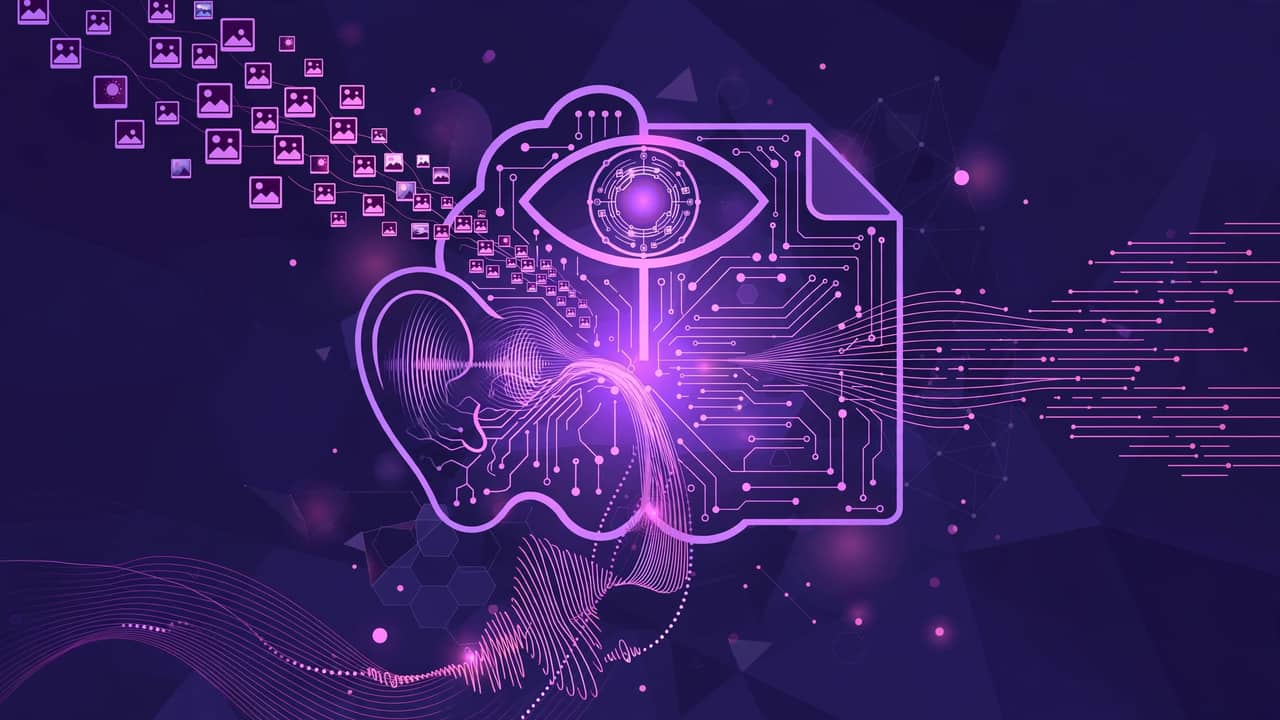
Pope Leo XIV spoke out on October 2, 2026, in a statement published through his official @Pontifex account on X, against equating images created by artificial intelligence with art. According to the pontiff, the difference between human art and what a machine "can create" is first of all ontological — a question of the very nature of being — and only then aesthetic, a question of beauty. As he emphasized, no matter how advanced algorithms become, they have no "human spark."
The text of the statement first appeared in the pontiff's official account and spread widely through international technology outlets the same day, including TechCrunch. The statement is being read as a logical continuation of the encyclical "Magnifica Humanitas," issued earlier this year: in that document the Vatican also placed the defense of human dignity at the center, amid intensifying automation.
The Substance of the Statement
In the statement, the Pope stressed the need to distinguish human art from what a machine "can create." In his account, artificial intelligence systems operate through statistical computation over millions of images created by others — that is, on the principle of reprocessing existing creative works and averaging them. Human art is fundamentally different from such a mechanical process.
"Between art and what a machine can create through statistical computation on millions of images created by others, there is an ontological difference that precedes even the aesthetic," the pontiff wrote.
The statement's second key point concerns the absence of human qualities in algorithms. The Pope put it briefly and sharply:
"Algorithms lack the human spark," Pope Leo XIV emphasized.
He described the demand of the modern age as follows:
"In the age of artificial intelligence, distinguishing human art from what machines produce is becoming ever more urgent."
As TechCrunch notes, the original source of the statement was the pontiff's official @Pontifex account — the text was published there on October 2, 2026. The outlet quoted the statement's key passages in full.
The Main Emphasis of the Quotes
In the statement, the pontiff deliberately placed the phrase "ontological difference" before any aesthetic judgment. This means that, in his view, the question is not about beauty or quality — it is about the nature of what is created. A machine may statistically process millions of samples of human creativity, but that process itself, in the pontiff's view, is not the same phenomenon as making art.
The statement's phrase "human spark" continues the same thought: however complex algorithms may be, they contain no human experience, intention, or spiritual dimension. That is why the pontiff stressed that "in this age of artificial intelligence" the need to separate human art from machine output is growing ever more pressing.
Background: The "Magnifica Humanitas" Encyclical
Before the latest statement, Pope Leo XIV issued the encyclical "Magnifica Humanitas" in early 2026. The document is devoted to defending human dignity as automation and AI systems penetrate everyday life ever more deeply. The encyclical is regarded as the foundational text establishing the Vatican's official position on artificial intelligence and is frequently cited in international debates.
According to TechCrunch, Anthropic had urged the Vatican to reconsider its position on non-human consciousness. The New York Times reports that the company's efforts in this direction did not achieve much success — the Vatican did not change its position. This points to a serious divergence of views between major technology companies and religious institutions on AI ethics, and shows that the debate is still ongoing.
The Church's Alliance With Artists
In the statement, the Pope expressed a desire to renew the Catholic Church's alliance with artists and cultural institutions. In his words, this cooperation should be pursued for the sake of preserving humanity. The text of the statement stresses that the Church will continue to take an active part in cultural life and strengthen its ties with creators.
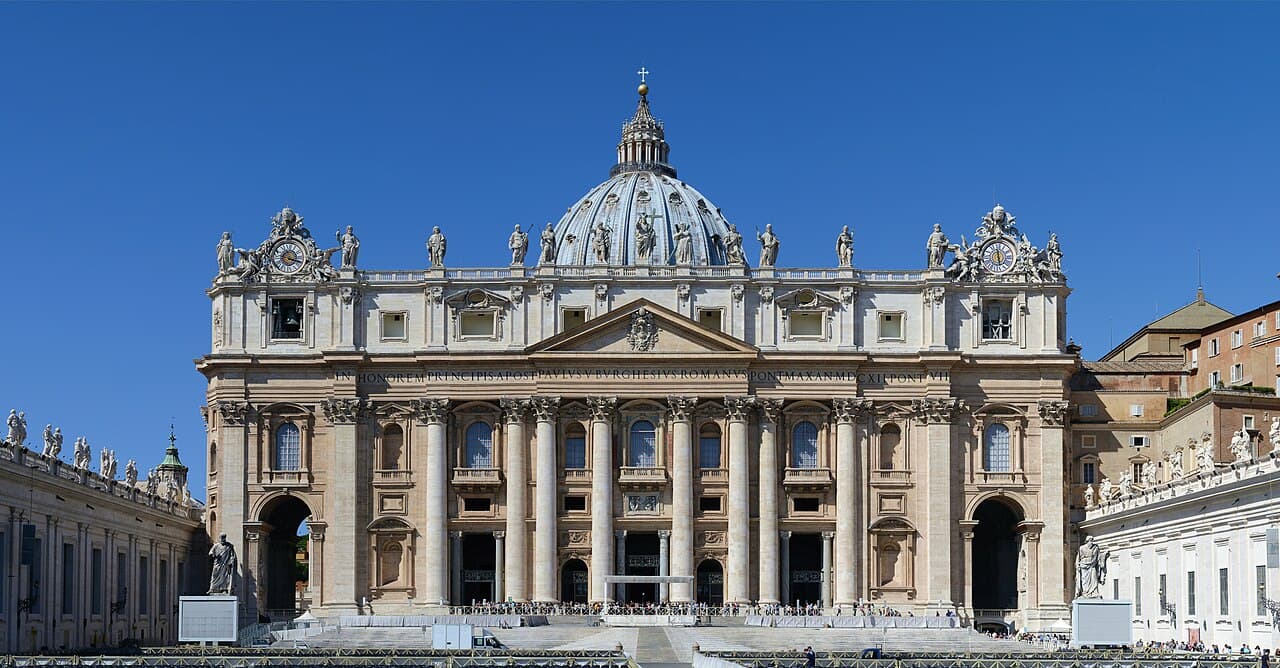
Historically, the Vatican has been one of the greatest patrons of art — church collections and commissions in Rome have shaped the development of world art for centuries. The pontiff's latest statement is being received as a modern continuation of that tradition: this time, what is being defended is human creativity itself, now under pressure from artificial intelligence systems.
The statement was covered in the world press as the clear position of an influential figure on the relationship between artificial intelligence and society. The precise quotations it cites and the political context linked to the encyclical present it not merely as an opinion, but as part of the Vatican's consistent policy on artificial intelligence. The statement was published on October 2, 2026, in the pontiff's official account and sparked wide discussion in international outlets the same day.