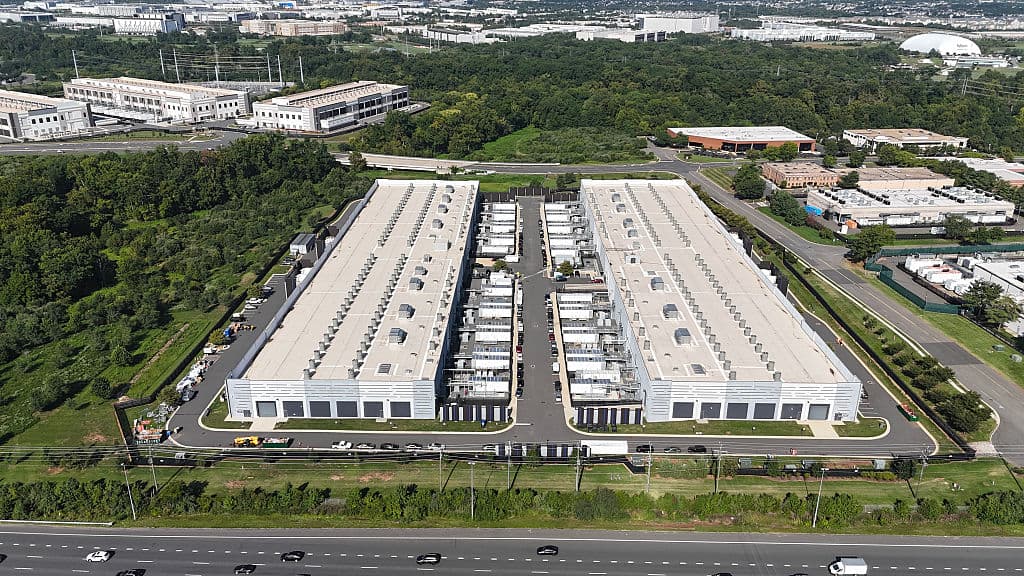

Amazon Web Services (AWS) CEO Matt Garman said in a blog post published on October 3, 2026, that Amazon will no longer use non-disclosure agreements (NDAs) with government agencies partnering on data center projects. The statement came in response to growing public backlash against data centers across the United States.
In his post, Garman wrote that more than 100 data center moratoriums are currently under consideration across the US. According to him, New York recently announced a one-year moratorium on permits for large data centers. Garman claimed that if such measures are enacted, the United States would inflict damage on itself in the race for artificial intelligence.
The Root of the Backlash: Lack of Transparency
Much of the backlash against data centers comes down to transparency. Environmental activist Erin Brockovich said the most common complaint she hears on this topic is about transparency: projects announced only after permits are secured, developers who don't return calls, and local officials who signed NDAs before their neighbors learned about the project — all of this has become routine.
Amid this backlash, local authorities are taking action: the state of New York has halted permits for large data centers for a year, while more than 100 similar moratoriums are under discussion nationwide. Garman cited these figures in his post, warning that such restrictions would undermine the US position in the race for AI infrastructure.
Garman Responds to "Four Big Myths"
In his post, Garman attempted to rebut four widespread claims about data centers: that they consume too much water, drive up electricity prices, emit large amounts of pollution, and bring no benefit to communities.
On water, Garman cited Amazon's own report, saying data centers' "direct water consumption" accounts for just 0.5% of all industrial water use in the US. On electricity prices, he said tariffs have risen only in some states — where data centers are concentrated — while elsewhere they have fallen or grown more slowly. According to him, where prices are rising, the main cause is "an aging grid and underinvestment in it before demand arrived."
On pollution, Garman said critics focus on the maximum figures in permits. For example, a planned Amazon data center in Texas is permitted to emit 33 million tons of carbon dioxide per year — more than any US power plant. The issue has reached the courts: the NAACP is currently suing Elon Musk's xAI over pollution. Garman stressed that the generators barely run:
"The truth is, data center generators almost never run. They sit idle 99.9% of the time (running about 10 hours a year, mostly for mandatory technical testing)," Garman wrote.
On community benefit, Garman cited two figures: the company no longer uses NDAs with government agencies, and over the past three years Amazon has contributed more than $1 billion to US communities hosting its data centers.
Critics: The Numbers Don't Tell the Full Story
Garman's claims drew immediate criticism. An independent watchdog recently reported that data centers are the main driver behind a 76% annual price increase on America's largest power grid — contradicting Garman's claim that "prices have risen only in some states." On water, scientists said tech companies' claims ignore water used in power generation and chip manufacturing and that this data needs independent study — since no federal or state reporting requirements govern how companies report.
Nvidia recently said its new cooling system "almost completely eliminates" water consumption inside the data center, but that claim also ignores the broader water footprint.
According to Ars Technica, Amazon's $1 billion plan to combat the backlash is drawing even more backlash in local communities. Anthropic CEO Dario Amodei recently called anti-AI sentiment "a fundamental crisis of trust": people believe governments and tech companies are constantly "coming up with new ways to deceive them."
Next Step: The Fate of the Moratoriums
For now, the key question is whether the more than 100 moratoriums under discussion will be adopted. Garman wrote in his post that if these measures are adopted, the US would "write its own losing ticket in this race," with consequences felt "for generations."
Amazon's abandonment of NDAs is a direct answer to the most repeated complaint about transparency. Whether this step restores communities' trust will be shown by decisions on the moratoriums and the response of local residents.