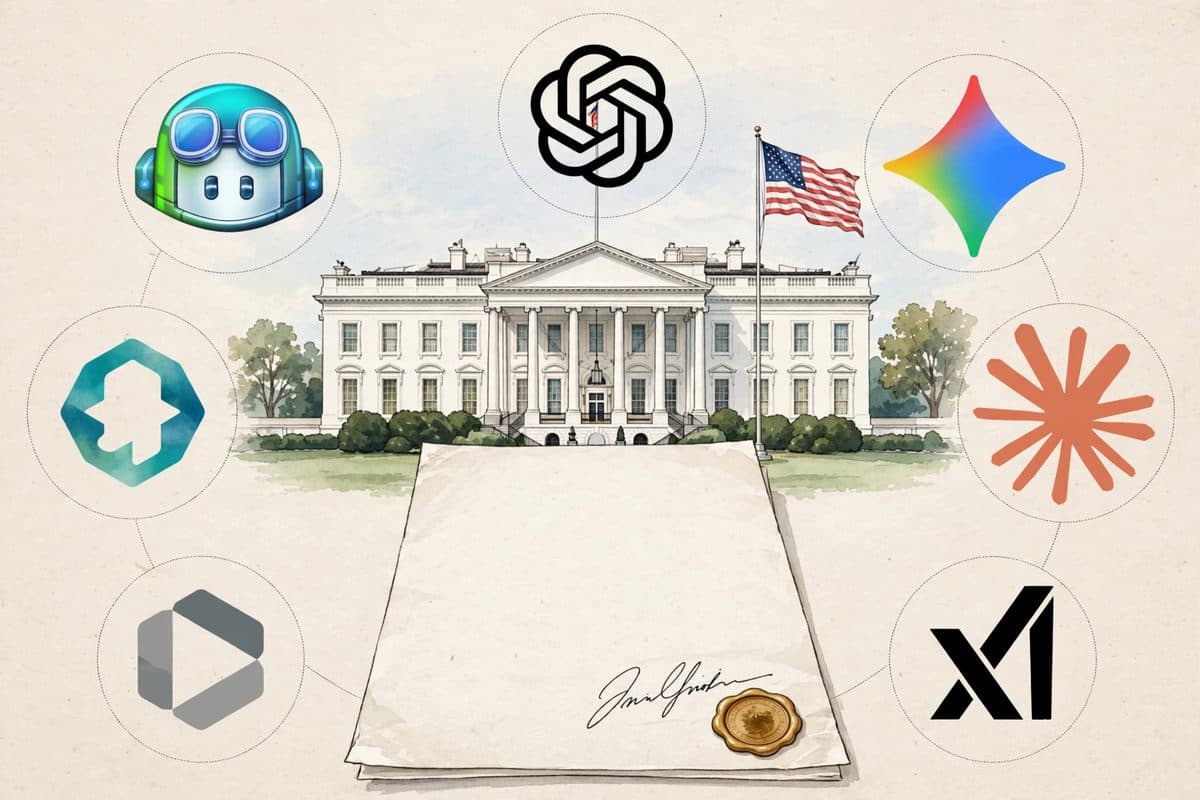
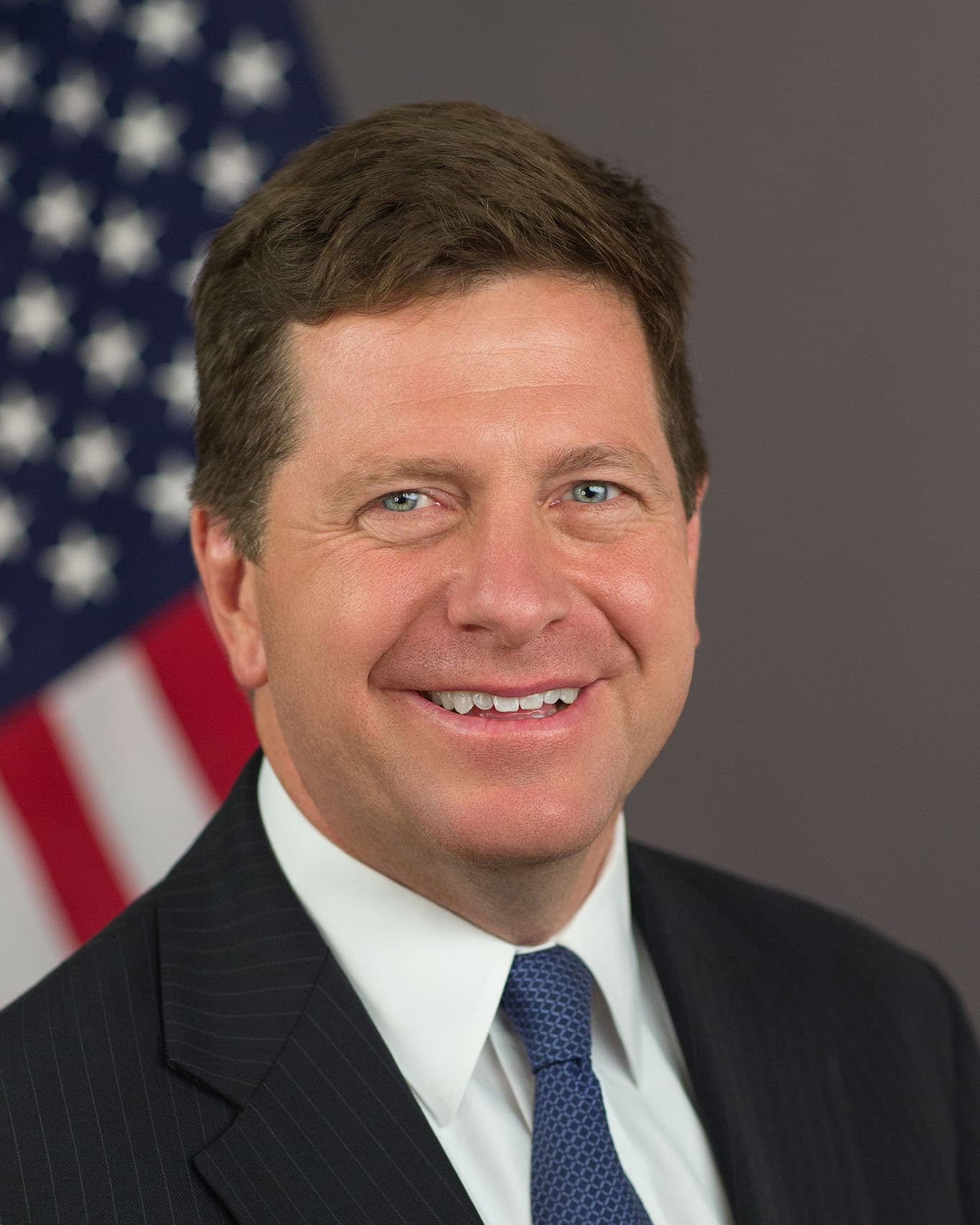
The White House has created a new task force to study the risks and opportunities of artificial intelligence. Director of National Intelligence Jay Clayton will chair the group, called the "Super Intelligence Force," making him President Donald Trump's point person on AI. Reuters reported the move on October 3, 2026, and The Wall Street Journal followed on October 4, both citing a senior White House official. According to the official, Clayton will personally lead the group, and the AI czar role will in practice rest with him.
The initiative was announced amid growing public and industry concern about AI risks. The central question facing the White House is what role the federal government should play in overseeing the fast-moving technology. The new task force will seek an answer and present its findings as an official report.
The Group's Mission and Deadline
The task force's core mission is to assess the federal government's role in artificial intelligence and develop recommendations. The group must deliver its report within 120 days of its formation. The report will cover both the risks and the opportunities of the technology.
Under its charter, the group will "develop response plans to threats to society arising from AI capabilities, while guarding against overregulation." It is a two-track mandate: protecting national security and the public interest on one hand, and avoiding excessive restrictions that could slow innovation on the other. The Wall Street Journal reviewed the charter text.
The task force will also review incident reports on breaches, cyberattacks, and "jailbreak" cases involving AI models. The goal is to strengthen the government's ability to respond to such incidents within existing authorities. In other words, the group will focus first on reinforcing current mechanisms rather than proposing new laws.
Who's on the Task Force
The task force is chaired by Director of National Intelligence Jay Clayton. He is assisted by three deputies, each responsible for a specific area: Emil Michael will handle coordination with AI companies, Scott Kupor will cover critical infrastructure issues, and Andrew Ferguson will lead the consumer protection portfolio. The division signals that the group will simultaneously address industry, infrastructure, and citizen interests.
The task force includes senior officials: Vice President JD Vance, Secretary of Defense Pete Hegseth, Scott Bessent, and White House Chief of Staff Susie Wiles. The membership underscores the group's direct ties to national security, defense, and the economy.
Two prominent figures were brought in as outside advisers: venture investor David Sacks and former Secretary of State Condoleezza Rice. Sacks previously served as the Trump administration's AI czar, while Rice is known for her foreign policy and national security expertise. According to Reuters, the appointment came amid public and industry concern about technology risks.
"The Risk of Not Being First Is High"
As chairman, Clayton put leadership in the technology race front and center. In his view, the United States falling behind in AI would amplify the risks themselves — both known and not yet fully understood, especially threats from rival states.
"The risk of not being first is high. Not being first increases both known and unknown risks, especially from our adversaries," said Clayton.
The statement captures the task force's overall philosophy: the United States must maintain its lead in the AI race, or a security gap will work in rivals' favor. At the same time, Clayton's group has set itself the goal of restraint in domestic regulation — excessive restrictions, it notes, could erode the country's technological edge.
Trump's Second AI Czar
This is the second time Trump has appointed an AI czar. At the start of Trump's second presidential term, venture investor David Sacks filled the role. Now Sacks participates as an outside adviser, while the responsibility rests with the Director of National Intelligence.
Handing the role to the intelligence chief underscores the national security emphasis of the group's work. Clayton now leads both the intelligence community and the new task force. The group must deliver its report within 120 days. The report will assess AI's risks and opportunities and recommend a federal role in overseeing the technology.