The Announcement
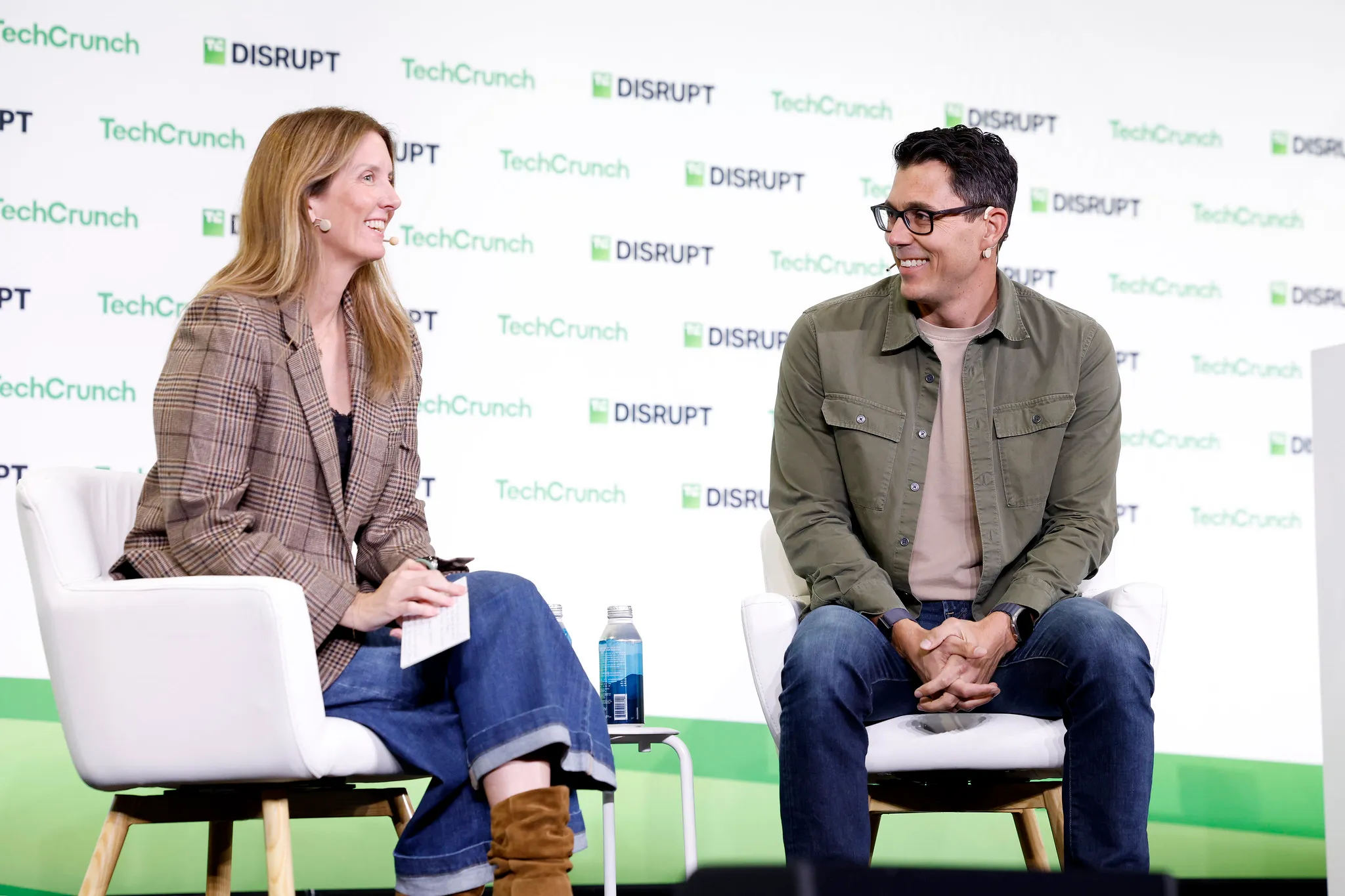
Rivian founder and CEO RJ Scaringe announced from the stage of the TechCrunch Disrupt conference on October 15, 2026, that the company's electric vehicles will one day be able to run AI agents built by outside companies. As an example he named Anthropic — meaning the in-car assistant will not be limited to Rivian's own solutions. TechCrunch reported the news.
The announcement came against the backdrop of an in-house agent framework the company has already built. Rivian has already developed the foundation that analyzes a driver's spoken request and determines which part of the car's software should handle it — the system uses an on-device model or a cloud model depending on the task.
Such a routing system performs the core job of in-car AI: picking the best executor for every request. When a driver issues a voice command, the system first determines what the request is about, then hands it to the relevant module — navigation, climate control, multimedia, or external services. The process is invisible to the driver: they simply talk to the car.
Scaringe gave no timeline. Rivian also disclosed no further details for now — instead pointing to its “AI & Autonomy Day” event in December. According to an independent publication, that event is expected to reveal the detailed plan for partnerships with outside providers. The name “AI & Autonomy Day” itself signals that the event is dedicated to artificial intelligence and autonomous driving.
The Safety Boundary
The strictest part of the plan concerns safety. Scaringe stressed that the vehicle's critical control systems will never be handed over to external agents:
“None of the vehicle-level control systems will be handed over to an agent,” Scaringe said.
That boundary clearly defines the agent's authority: the external AI assistant will handle tasks such as information search, calendar work, and adjusting cabin climate or multimedia settings, while systems that directly affect driving safety — braking, steering, speed control — stay fully isolated. In other words, the agent acts as an adviser and assistant, not a decision-maker in place of the driver. In practice, this means the agent cannot tell the driver when to brake or turn the wheel — such decisions remain with the car's certified safety systems.
The approach reflects one of the core rules of AI integration in the auto industry: however advanced the smart assistant, systems on which human lives depend stay separated from it at the architectural level. Rivian is locking in that principle before any external agents are connected.
The Internal “Traffic Light”: Which Model Gets the Request
Before connecting external agents, Rivian finished building its own agent framework. The system analyzes the driver's spoken request, determines which part of the car's software should execute it, and picks an on-device or cloud model depending on the task.
Scaringe compared the mechanism to a “traffic light”: whenever a request arrives, the system itself decides which direction to send it — to the local model running in the car or to the more powerful model in the cloud. Simple commands run quickly on the local model; complex questions go to the cloud, where different models are engaged depending on the task. As Scaringe described it, the system chooses which model to use for each request on its own: simple requests run in the car on edge compute, while questions needing deeper analysis are lifted to the cloud. The approach balances the power of large language models against the car's limited compute resources.
That two-tier architecture solves two problems at once: response speed improves, and core voice functions keep working even when the car loses its internet connection. The local model is also preferable for privacy — simple commands never leave the vehicle.
The Next Step
For now the plan remains at the announcement stage: no timeline, no technical details, no definitive list of the agents to be used. Rivian declined to answer further questions and directed everyone to the December “AI & Autonomy Day” event. An independent review by Konsulteer confirmed the statement: the plan calls for expanding Rivian's in-car AI assistant with agents from outside providers, with Anthropic and OpenAI among the companies named.
The announcement came on October 15, and the story was published the same day. Until the December event, Rivian's step toward an open platform stays detail-free — the technical aspects and the shape of the partnerships will be revealed on that stage.