SpaceX reported record results for the third quarter of 2026: for the three months ended September 30, the company posted $14.58B in revenue. According to Reuters, that is 161% more than in the same period last year and significantly above the LSEG analyst consensus estimate of $12.72B. Details are covered in Reuters' report on the quarterly results.
Record Quarter: Numbers Beat Expectations
Net profit also came in well above expectations: the quarter delivered $4.4B in net income, while analysts had forecast $1.57B. That marks a sharp turnaround from the second quarter, when the company posted a $541M net loss on $7.81B in revenue. After the report's release, SpaceX shares rose about 2.5% in after-hours trading.
What surprised analysts was that both headline metrics — revenue and profit — beat estimates by a wide margin. Net income, in particular, came in at nearly three times the forecast. TechCrunch summed up the quarter this way: SpaceX turned a profit in the third quarter, and AI was the engine of that growth.
Per the LSEG consensus, analysts had on average expected $12.72B in revenue for the third quarter — the actual result beat that estimate by $1.86B. In other words, the company not only grew 161% year over year but also reset market expectations by a wide margin. Such a gap usually signals that an unexpected revenue source emerged during the quarter — in this case, exactly the AI business.
AI Business — the Main Growth Engine
The quarter's biggest surprise was SpaceX's AI revenue. Reuters reports it grew more than ninefold, to about $7.6B. That is more than half of the company's total revenue: for SpaceX, known for rockets and satellites, AI is becoming the primary source of income.
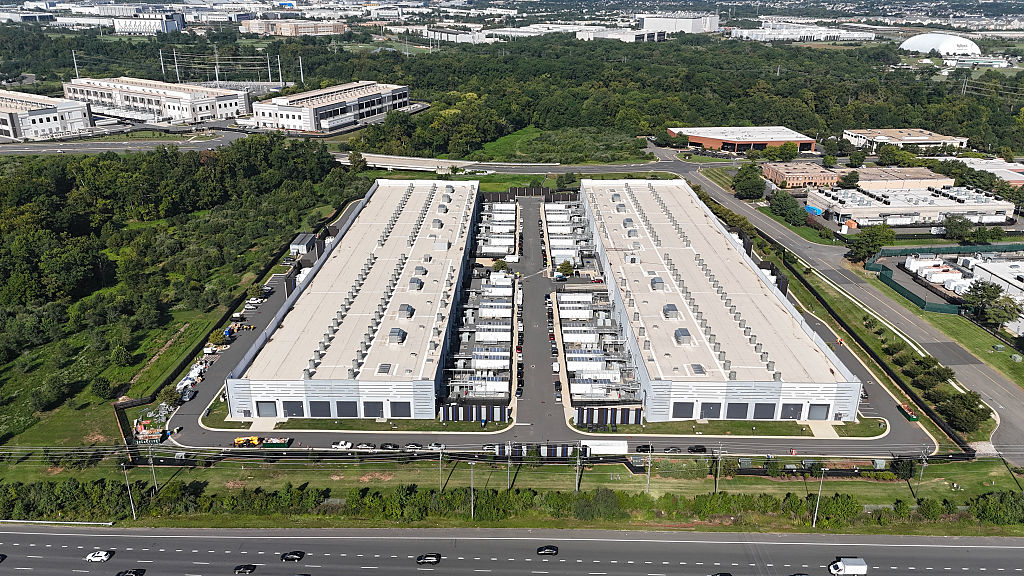
Most of that revenue comes from leasing compute capacity. SpaceX is offering its infrastructure to AI developers such as Anthropic, Google, and Reflection AI — meaning the company is also turning into an infrastructure provider serving these giants' model training and deployment needs.
SpaceX's AI business spans three directions: the Grok model, the X social platform, and a fast-growing data-center operation. Reuters notes this is the company's largest area of investment. At the same time, operating losses in the AI unit remain substantial, and investment will have to continue before it reaches sustainable profitability.
This sharp rise in demand for computing power is an important signal for Uzbek developers and startups as well: building and deploying AI products is becoming ever more dependent on global infrastructure capacity.
Still, infrastructure investment itself is nothing new — SpaceX has been steadily expanding data-center capacity in recent quarters. What's new is that this capacity is now leased not only for internal needs (Grok and X) but also to outside clients — companies like Anthropic and Google — and generates direct revenue. Reuters notes that this very shift is what set third-quarter results so far apart from market expectations.
Musk: "SpaceX Is at an Inflection Moment"
On the quarterly earnings call, Elon Musk told investors the company is at a historic juncture. His statement, translated from the original, reads as follows: "We are at an inflection moment for SpaceX in launches, connectivity, and superintelligence."
"We are in an inflection moment for SpaceX across launch, connectivity and superintelligence." — Elon Musk, on the quarterly earnings call (Reuters)
That single sentence captures the three pillars of the company's strategy: space launches, connectivity through Starlink, and now superintelligence — the AI direction. According to Musk, all three areas are simultaneously in a phase of sharp growth.
Capital Spending Nearly Triples
Another standout figure in the report is the nearly threefold increase in capital expenditures. SpaceX sharply stepped up investment in computing infrastructure; that same infrastructure is now leased to large clients like Anthropic and Google and underpins the AI business's $7.6B in revenue.
The company is not hiding that this investment will continue. According to Reuters, the AI unit still posts large operating losses, and spending must continue before it reaches sustainable profitability. In other words, the $4.4B in net profit this quarter was partly formed at the expense of future returns — thanks to the massive bet on infrastructure.
The key question for the market now is whether AI revenue can sustain its more-than-ninefold growth pace in the coming quarters. For now, investors' answer is positive — shares rose 2.5% in after-hours trading after the report, and SpaceX's new role as an AI infrastructure provider is inspiring market confidence.