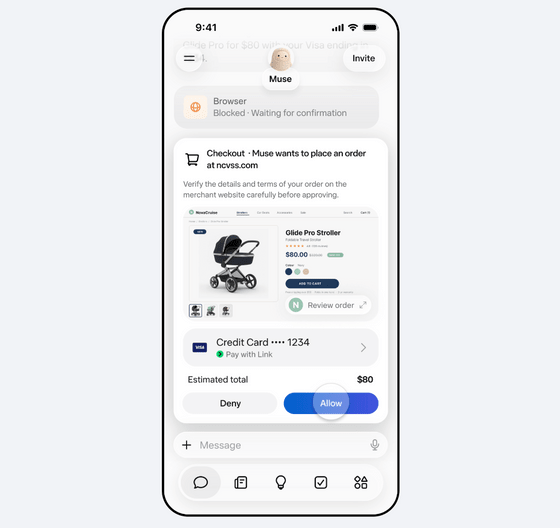
AI agents that shop online on users' behalf are running into resistance from major websites. Amazon has blocked Meta's personal AI agent Muse from its retail website — the agent can no longer browse the product catalog or make purchases. The problem isn't limited to Amazon: according to The Verge, agents are hitting barriers across many services, from flight booking to retail checkouts. The Verge's October 17 review describes this not as an isolated case but as a widespread issue among major websites. These are a new generation of assistants acting independently on behalf of users: they pay at store checkouts, book flights and handle other everyday tasks.
Amazon Restricts Muse Access
According to TechCrunch, Amazon blocked Meta's Muse AI agent from its shopping site. After the block, the agent can no longer browse product listings on the site or make purchases. Amazon did not openly explain its reasons for the decision — but it became one of the sharpest barriers a major retail platform has placed before a personal AI agent.
Walmart: The Block Wasn't Intentional
Walmart's restrictions related to Muse were not introduced deliberately. The company is one of the Muse partners announced by Meta at the September Connect conference — meaning it supports serving customers through agents. The problem lies in the "verify you are human" button on the site: when the verification window appears, it must be clicked, and if the process is interrupted, the protection system treats the visitor as a bot and kicks the agent off the site. In other words, the site's traditional measures against spam and malicious activity are also stopping the agent's legitimate actions.
Airlines and Service Platforms
Flight booking is seen as one of the main use cases for AI agents, but airlines are being cautious. Delta said it has no integration with third-party AI agents and stressed that it protects customers from unauthorized automated activity. United pointed to its terms of use: users agree not to monitor or copy the site with any robot, spider or other automatic device without prior written permission. Yelp does not allow non-human traffic on its platform — if an AI agent hasn't paid for access through the company's data licensing program, attempts to check prices, join a waitlist or book a table will fail. eBay said that instead of banning all third-party shopping agents, it is restricting actions such as unauthorized agents and automated data collection.
The Cloudflare Factor
Content delivery network policies are also affecting the situation. After Cloudflare changed its crawler settings on September 15, site settings that originally blocked AI bots for security reasons were updated automatically: they switched to a mode that also blocks AI agents on pages carrying ads. In other words, even if site owners made no separate decision, their protection settings began cutting off agents. At the same time, Cloudflare has a commercial interest in this process: the company runs a market where access to data for AI bots is paid for — developing a system in which bots pay for access to site data.
Deliberate Blocks or a Side Effect of Defenses
Some of the barriers are deliberate. Amazon knowingly blocked Muse from its site, Yelp banned unlicensed non-human traffic at the policy level, and United wrote a ban on robots and spiders without written permission into its terms of use. In other cases, the block arises as an unexpected side effect of defense systems: in Walmart's case, if the "verify you are human" check is interrupted, the agent is kicked off the site, even though the company supports working with agents. Delta also said it has no integration with third-party agents but is taking steps to protect customers from unauthorized automated activity.
The Open Standard Initiative
To solve the problem systematically, eight companies — Meta, Walmart, Stripe, Sierra, Genesys, Rocket, NiCE and Decagon — have begun developing an open standard for agent communication in online commerce. The initiative focuses specifically on communication between agents and aims to set common rules for use in online commerce.
"Turning away a personal agent means turning away the customer behind it."
— From Meta's statement
Meta's statement says that turning away a personal agent means turning away the customer behind it.