SpaceX signed a binding commitment letter on October 24, 2026, with an entity managed by Apollo Global Management. Under the document, the Apollo entity will buy graphics processor pods and related equipment for SpaceX data centers and lease them to the company under a master financial lease. The deal was disclosed in a Form 8-K report filed with the U.S. Securities and Exchange Commission on October 26, 2026.
This news continues the early-October reports about the talks; it does not repeat them. On October 7, 2026, Aishunos wrote that SpaceX was seeking $40 billion in financing to buy Nvidia chips — at the time, talks were still under way. Now the talks have become a binding deal: the parties have agreed on the lease structure, the payment amounts, and the schedule.
What Are the Lease Terms
Total base payments under the lease schedules are expected to amount to approximately $40 billion. Each lease will run for approximately five years to five years and one quarter from the delivery of the graphics processors. Each quarterly rent payment will equal one-twentieth of the financed cost, plus a fixed-rate interest amount.
SpaceX expects the master financial lease to take effect by year-end, once the closing conditions are met. The lease schedules will begin after the graphics processors are delivered, in the first half of 2027. In other words, payments and the flow of equipment will begin in 2027, in parallel with chip deliveries.
SpaceX called the deal the largest GPU financing it has committed to so far. Apollo, for its part, said the financing will help deliver Nvidia's next-generation Vera Rubin chips to expand SpaceX's ground-based computing capacity. The document does not separately disclose exactly which data centers the chips will be installed in.
The documentary basis of the deal is SpaceX's Form 8-K report filed with the U.S. Securities and Exchange Commission. The text of the document can be read in the SEC filing. The earlier stage can be read about in Aishunos's October 7 article — at that time, the company was still seeking financing.
The quarterly payment structure is also noteworthy: the amount paid each quarter equals one-twentieth of the financed cost, meaning the principal will be repaid in equal installments over roughly five years. Fixed-rate interest is added to it, so payments will not depend on interest-rate changes.
Why This Amount, and Why Now
SpaceX CFO Bret Johnsen said the lease diversifies funding sources and covers a significant share of the required capital. According to him, the company is seeing cases where investments in AI infrastructure pay for themselves in less than a year, and it is expanding computing capacity to power Grok and cloud services.
Leasing diversifies funding sources and covers a significant share of the required capital. Investments in AI infrastructure are paying for themselves in less than a year.
SpaceX's AI segment — the Grok chatbot, the Cursor coding tool, and the cloud computing business — brought in $7.6 billion of the company's $14.6 billion in revenue in the third quarter of 2026. That is more than the combined revenue from Starlink and rocket launches. In other words, the computing business now accounts for more than half of SpaceX's revenue.
At the same time, costs are also rising sharply. SpaceX's capital expenditures reached nearly $20 billion in the third quarter, compared with $6.9 billion a year earlier. The company expects to spend between $35 billion and $40 billion in the fourth quarter alone. The $40 billion lease emerged against this backdrop: instead of buying the equipment outright, the company is financing it through leasing.
Against a Backdrop of Heated Market Debate
The deal was disclosed amid a broad debate over AI infrastructure debt. Market participants are discussing how much large technology companies are borrowing to build data centers, and whether that debt will pay off. SpaceX itself, by emphasizing the short payback period of its computing investments, has effectively given its own answer in that debate.
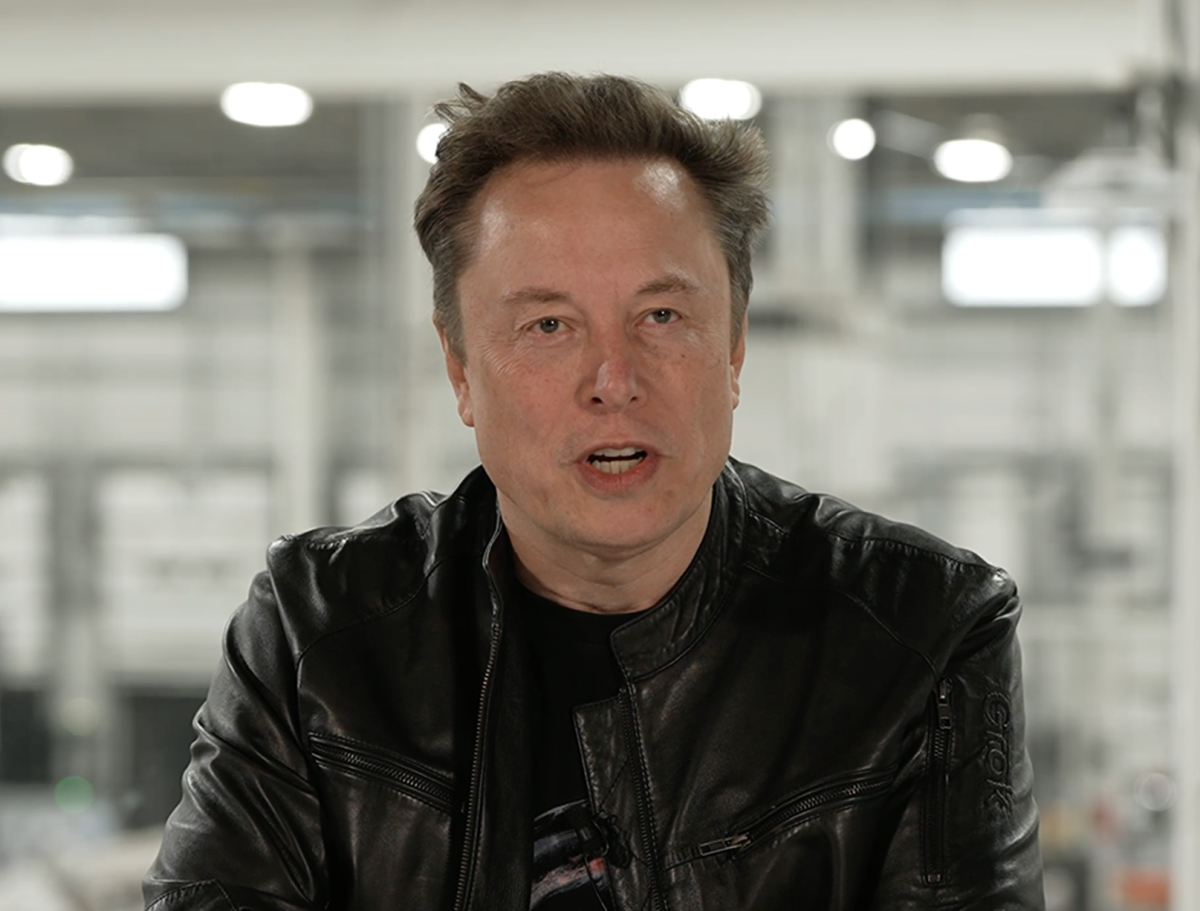
SpaceX founder Elon Musk wrote on the social network X that debt markets are largely closed to companies without large revenue streams outside AI data centers. In his forecast, most of the more than 200 neocloud companies set up solely to rent out graphics processors face collapse and consolidation. That statement shows the other side of the deal: companies with large revenues can find financing, while smaller renters remain in more difficult conditions.
If the deal with Apollo closes, SpaceX will begin receiving Vera Rubin chips under the lease schedules from the first half of 2027. The details of the closing conditions were not disclosed in the document, so the year-end timeline remains an expectation for now. The previous stage — the early-October talks — is now complete: this is no longer about plans, but about a signed commitment and an agreed payment schedule.